BAO FU包袱
CONCEPT
The Bao Fu, a traditional Chinese cloth bundle, was historically used to carry personal belongings during journeys, visits and displacement. Beyond its practical function, it accompanied moments of departure, reunion and uncertainty, carrying both physical possessions and emotional attachments.
As an international student travelling between Taiwan and Australia, I repeatedly experience the process of packing, deciding what to take and what to leave behind. What travels with me is not simply luggage, but also my connection to home. This personal experience forms the emotional foundation of Bao Fu.
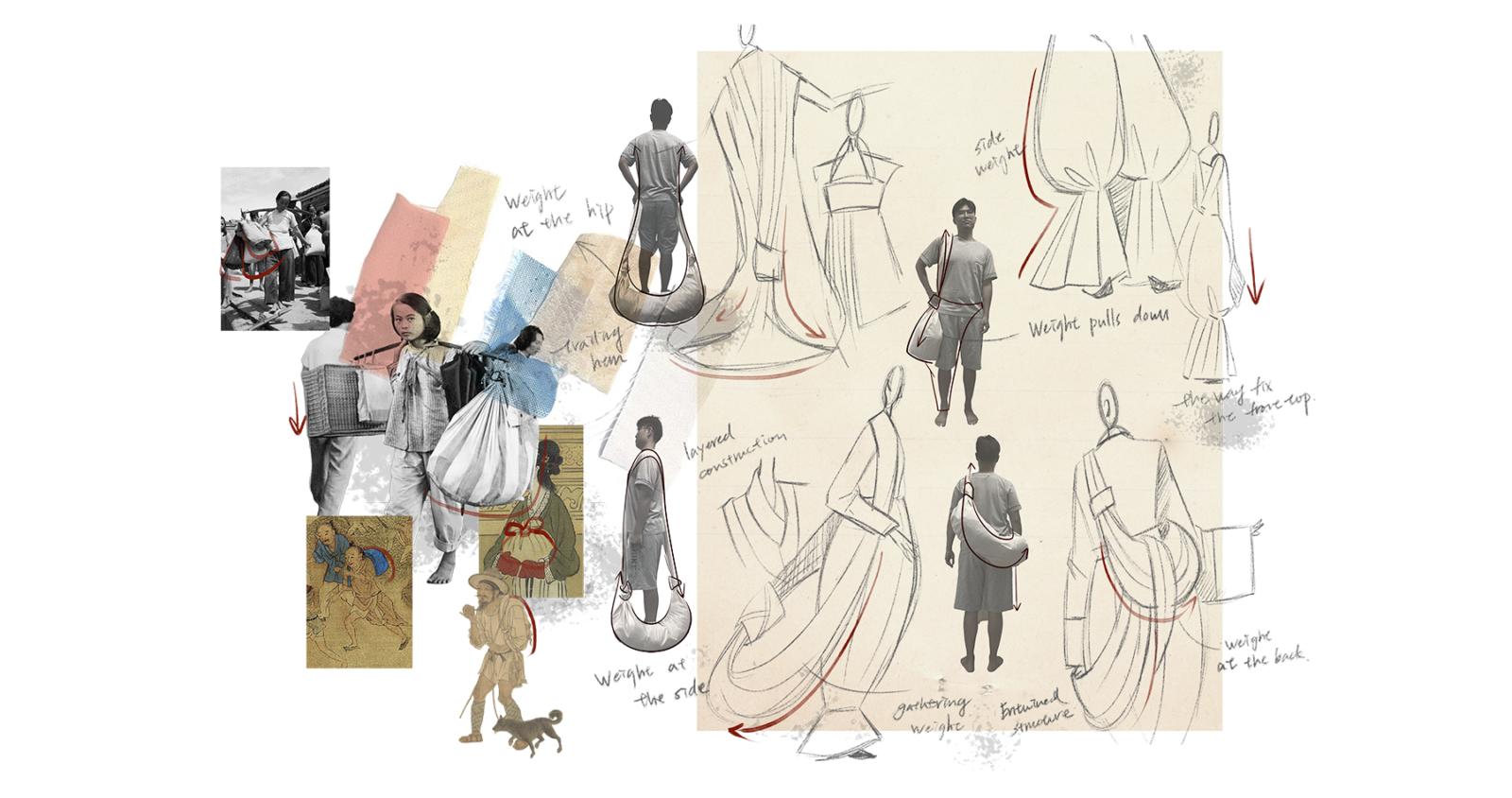
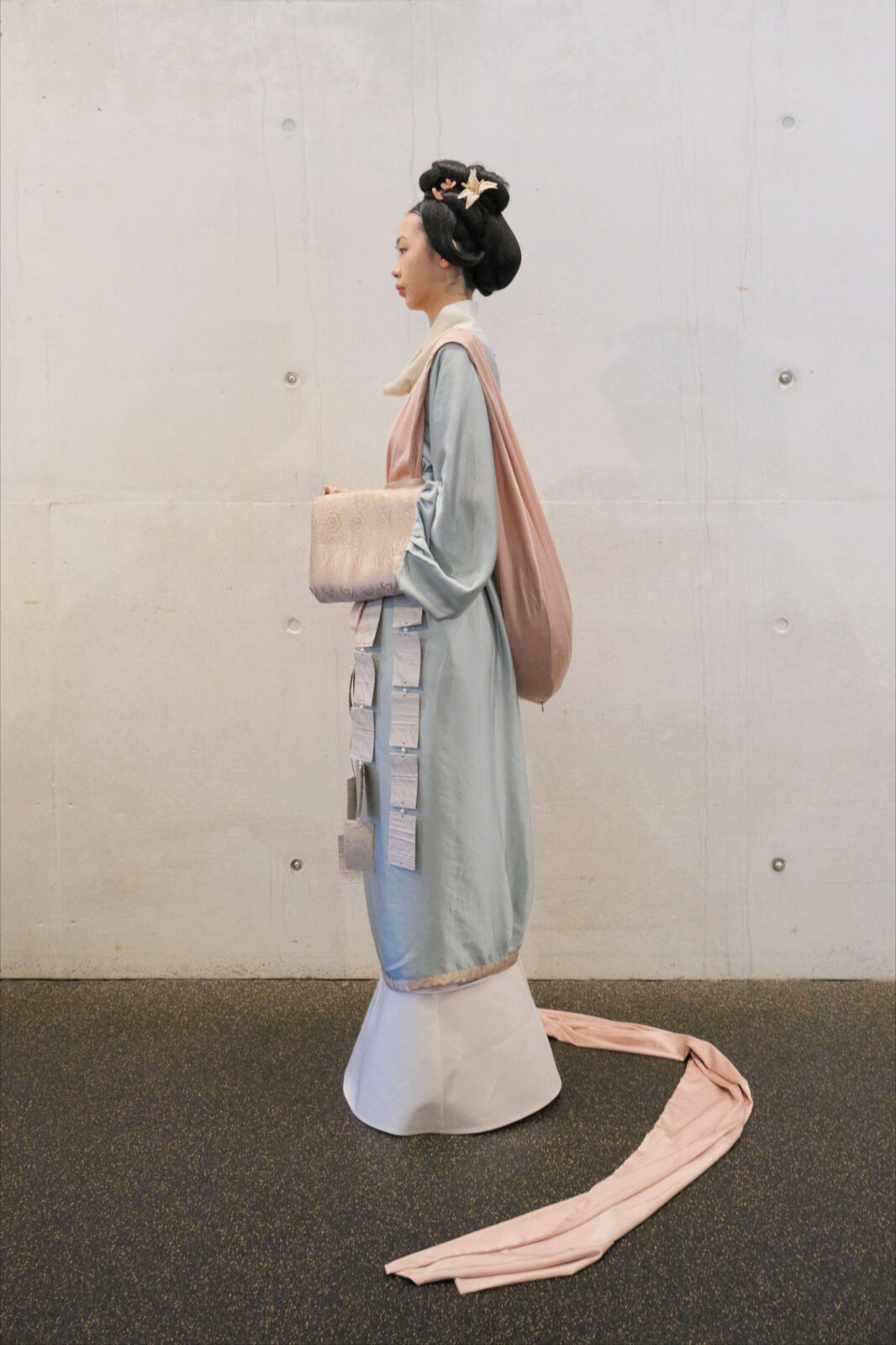
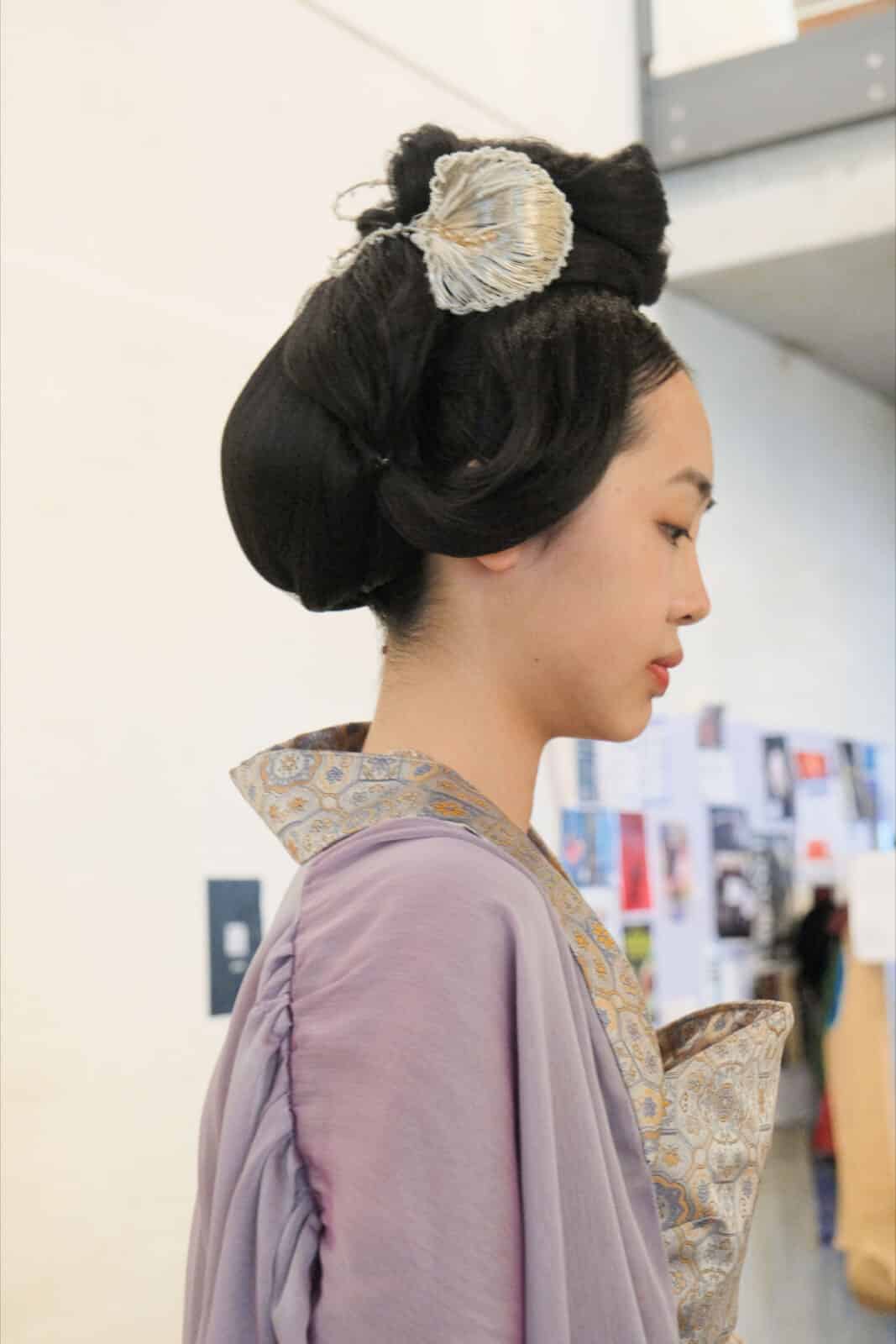
The collection explores the relationship between fabric, weight, movement and the human body, translating the act of carrying into contemporary garment structures. Through draping, suspended forms and shifting silhouettes, the cloth bundle becomes an integral part of the clothing rather than a separate accessory.
At the same time, Bao Fu challenges the reduction of Chinese culture to exoticised decorative symbols. Drawing on historical references such as cloth bundles, qiaopi (overseas remittance letters) and migration, the collection seeks to reconnect cultural elements with their original narratives, presenting Chinese heritage through structure, lived experience and emotional depth rather than surface ornamentation.
moodboard
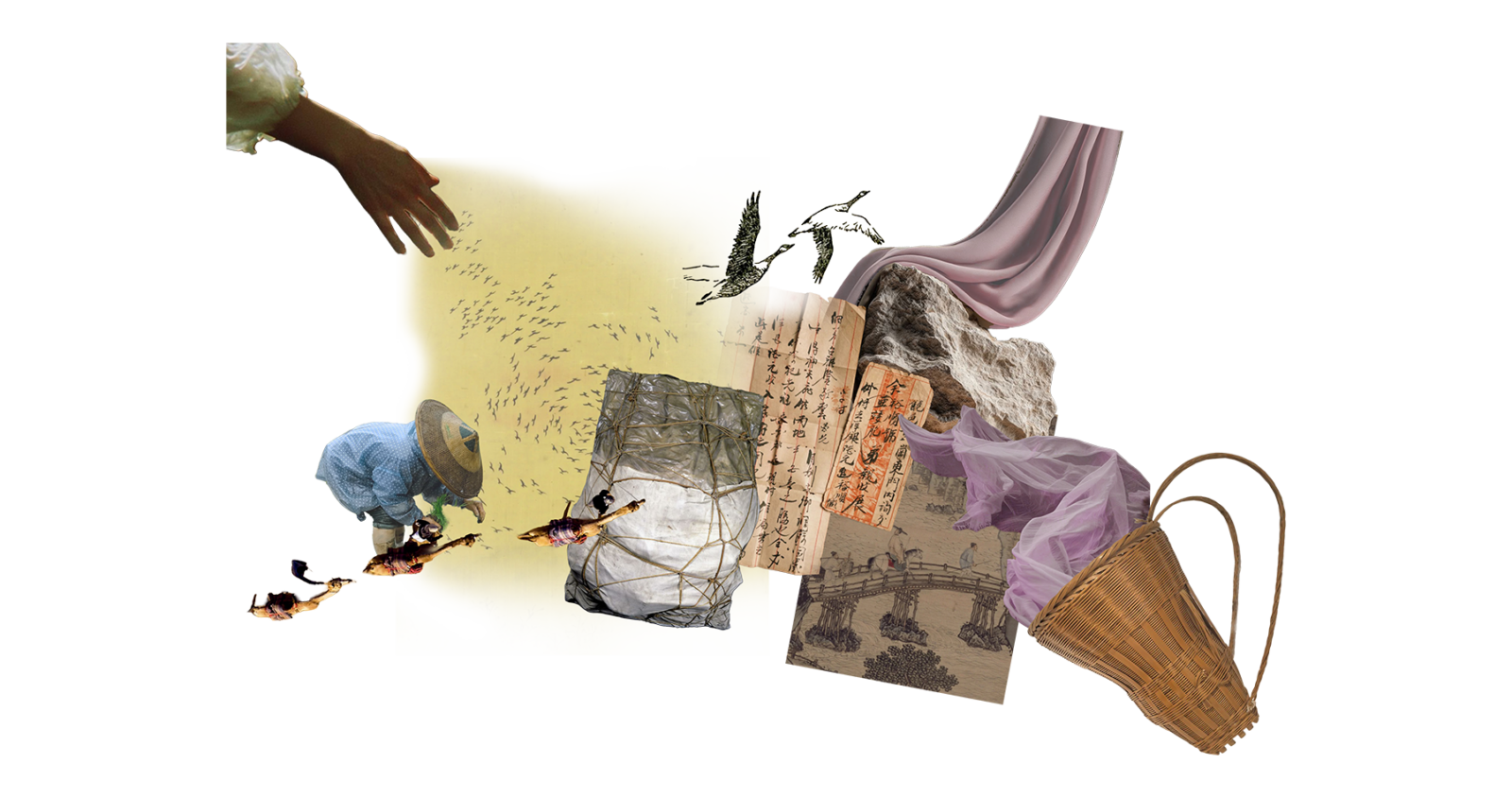
The moodboard brings together historical references to migration and everyday life, including migrating geese, camel caravans and traditional carrying objects. At its centre are qiaopi (overseas Chinese remittance letters), representing the connection between overseas Chinese and their families back home. The soft pink, pale yellow, light blue and lavender tones are reflected in the collection’s colour palette, linking the historical references to the garments.
FASHION ILLUSTRATIONS & DEVELOPMENT
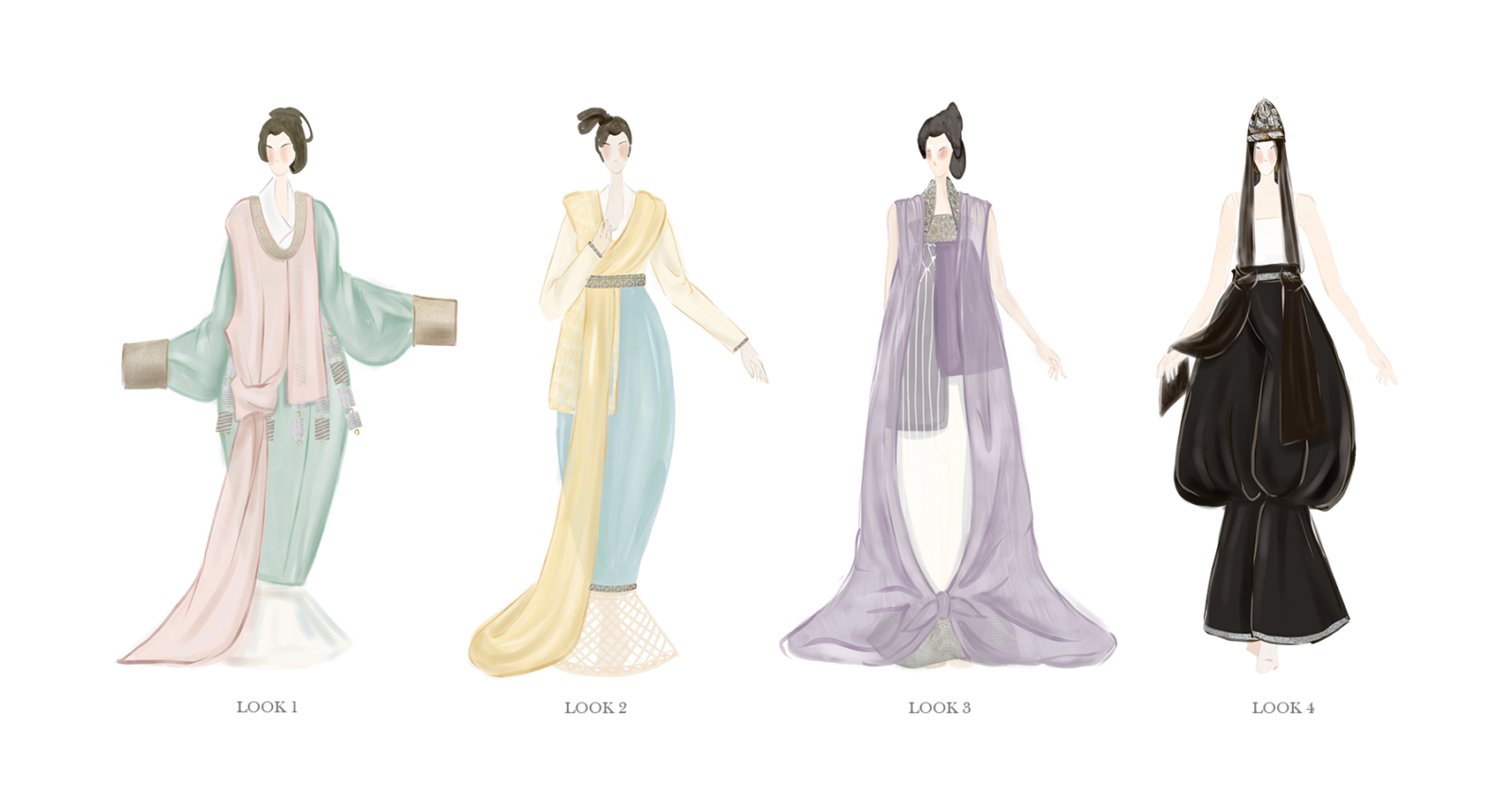
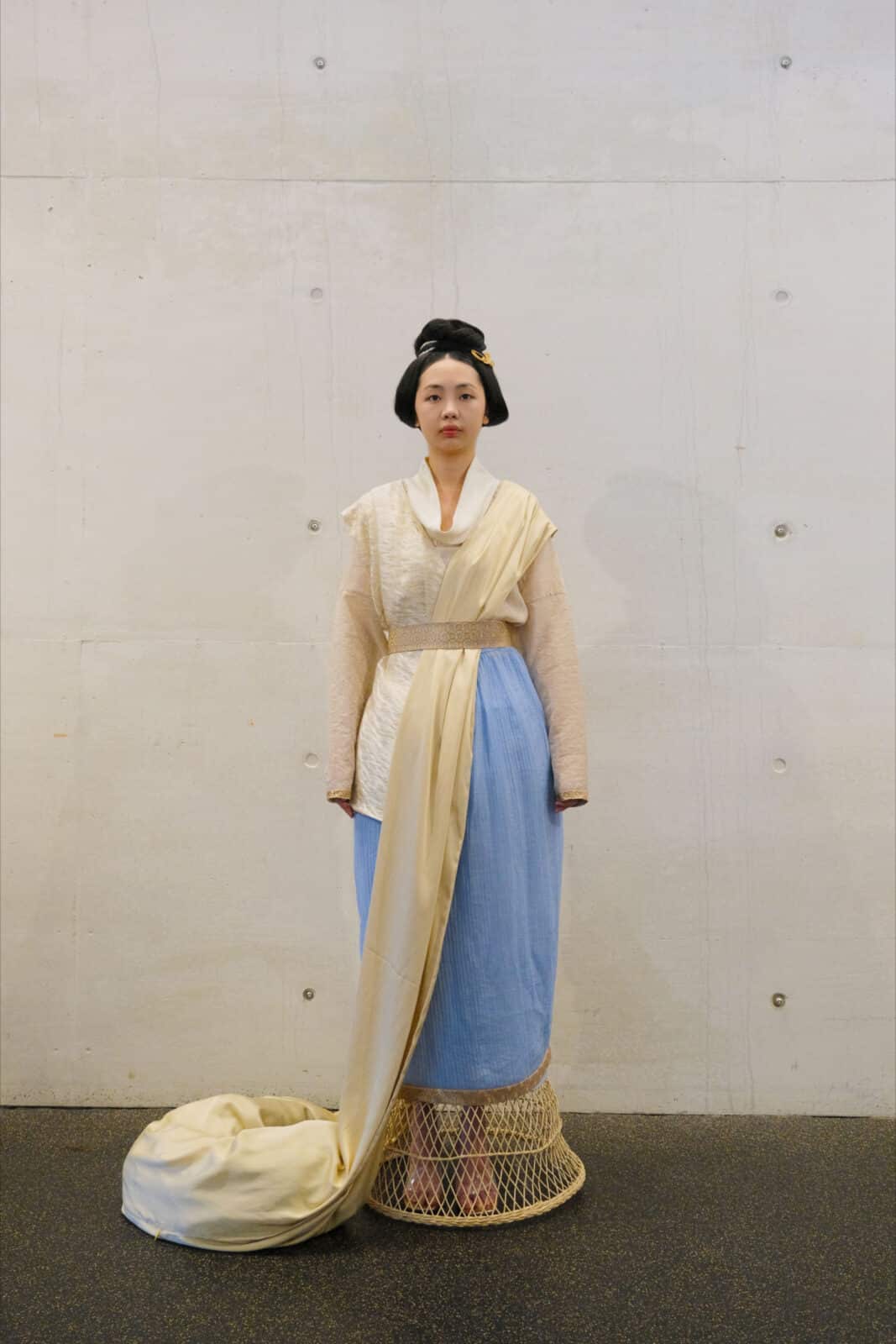
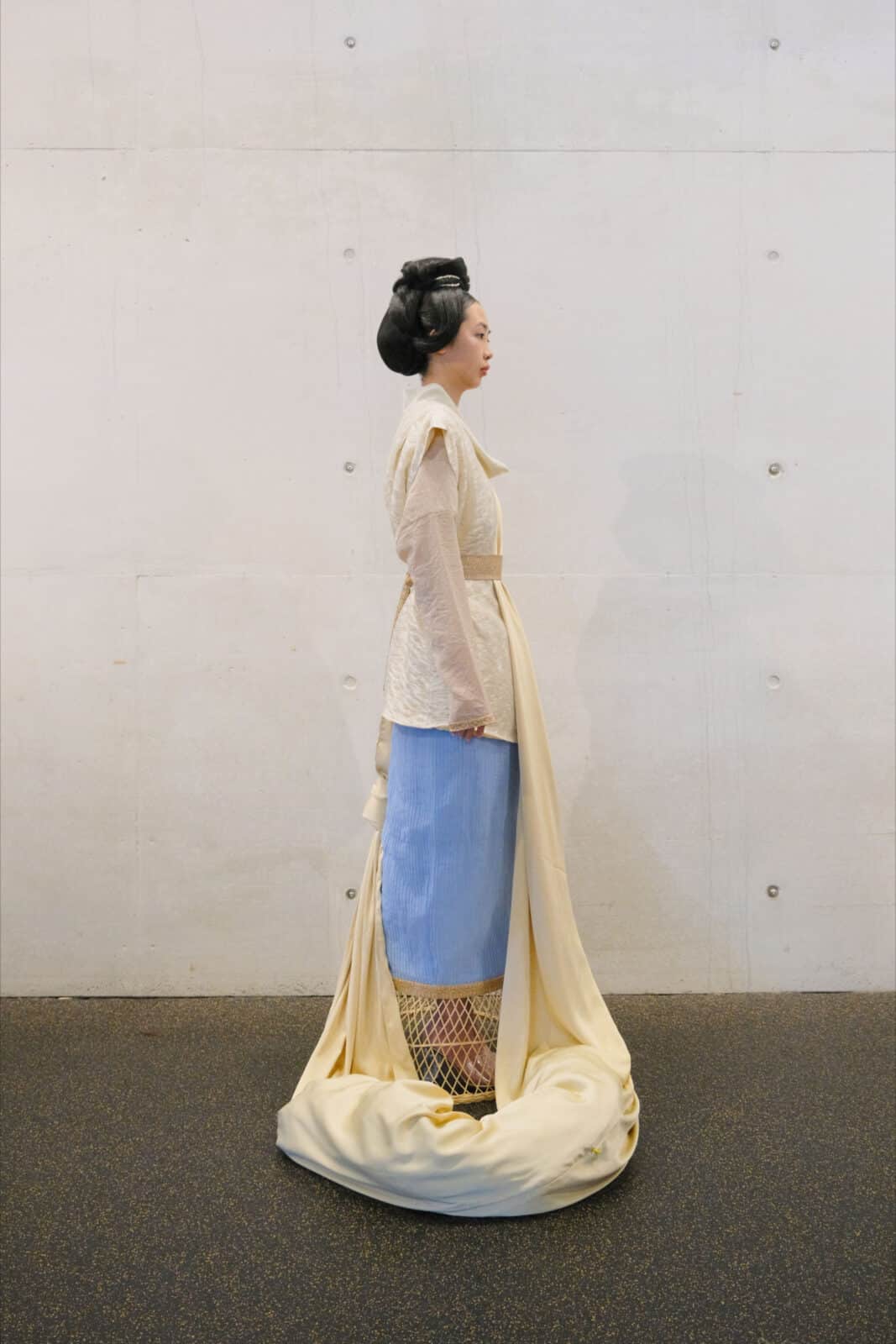
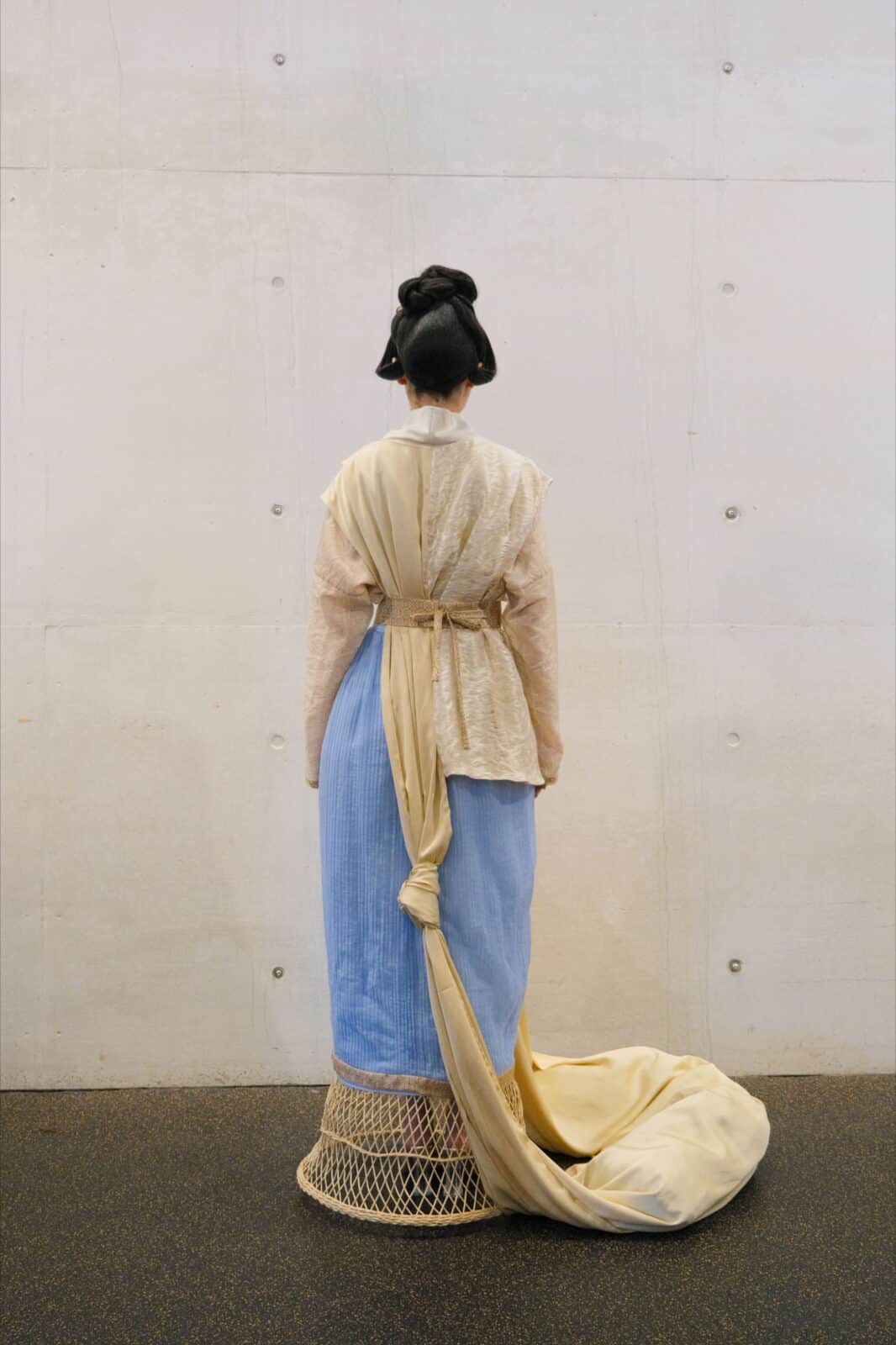
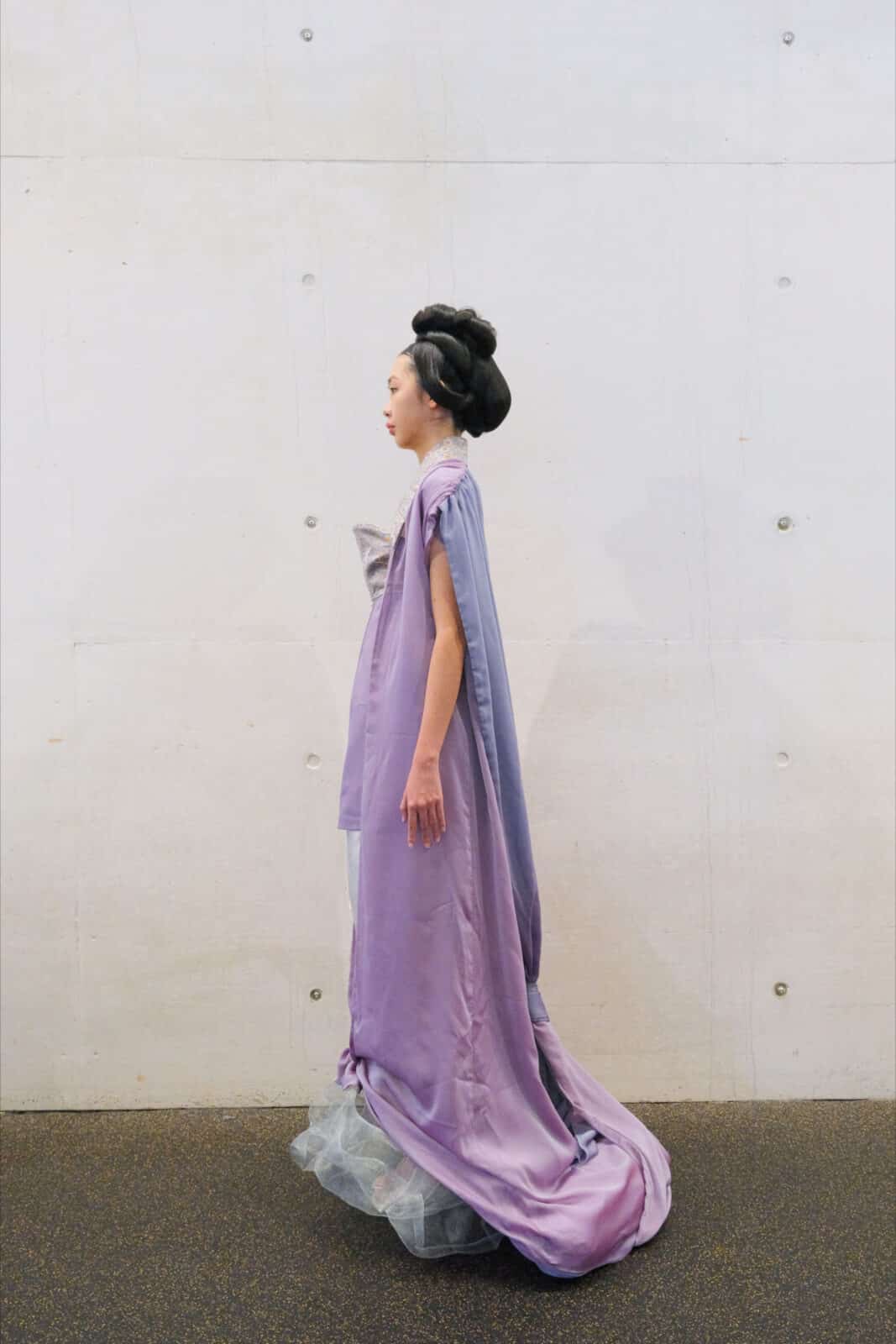
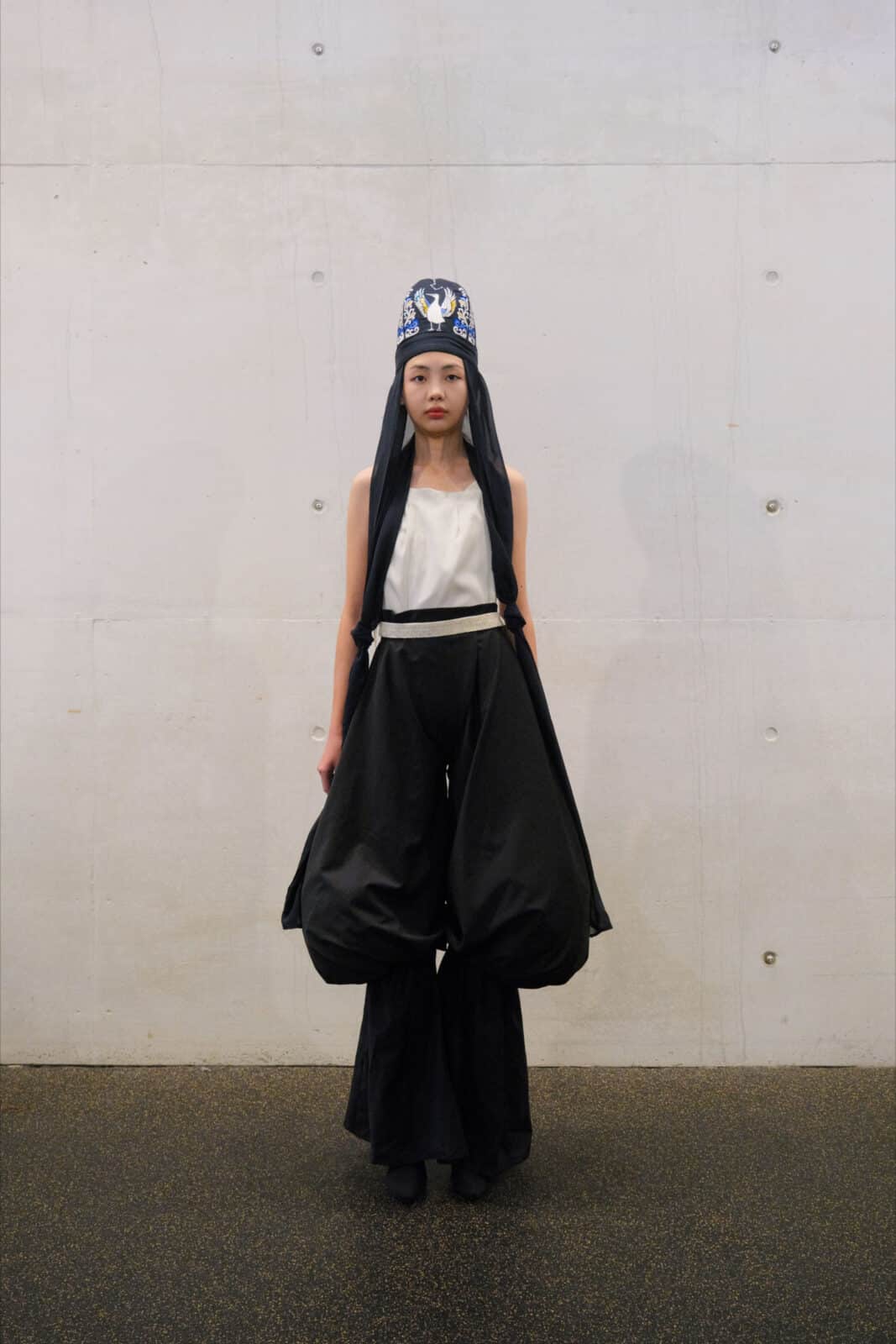
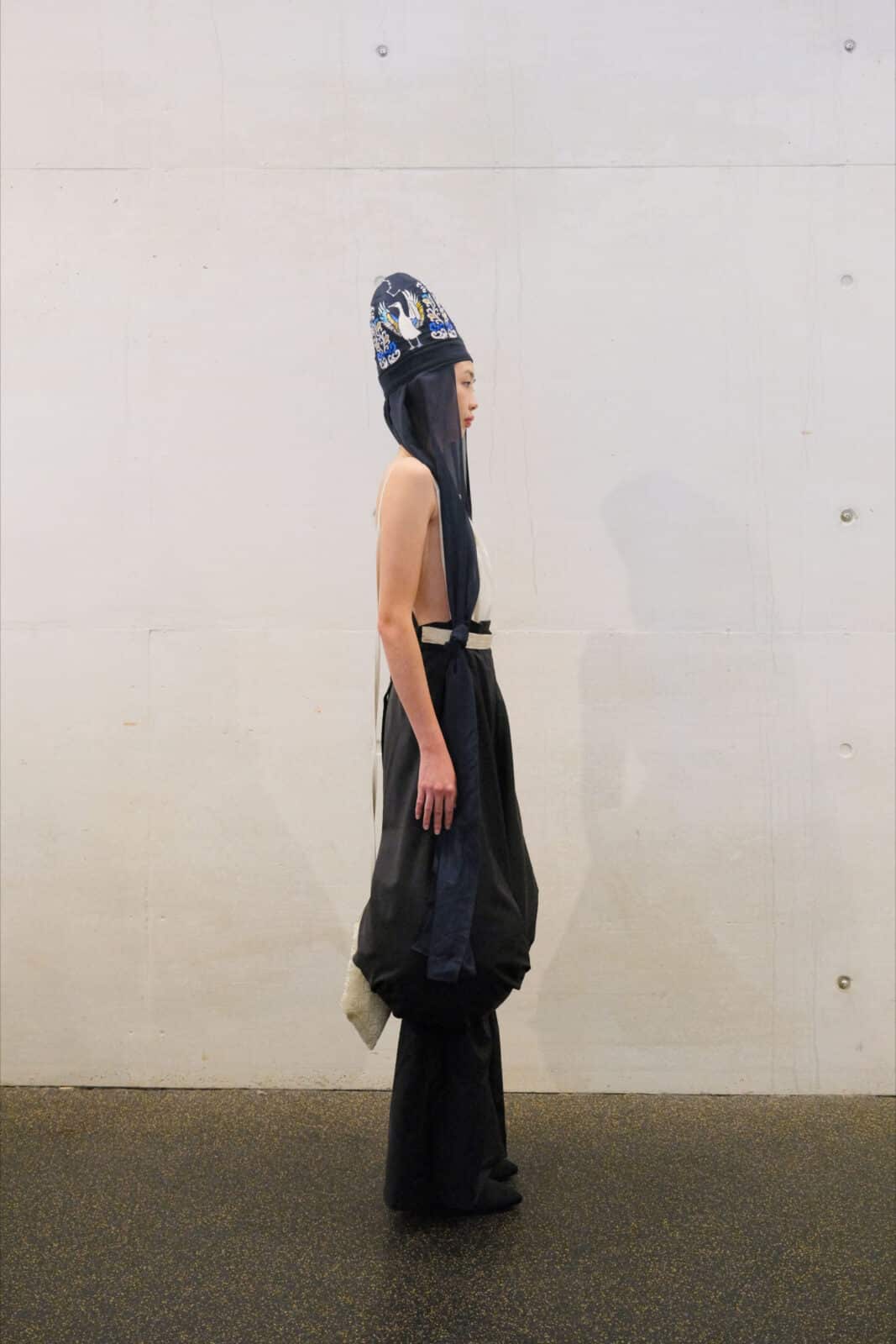
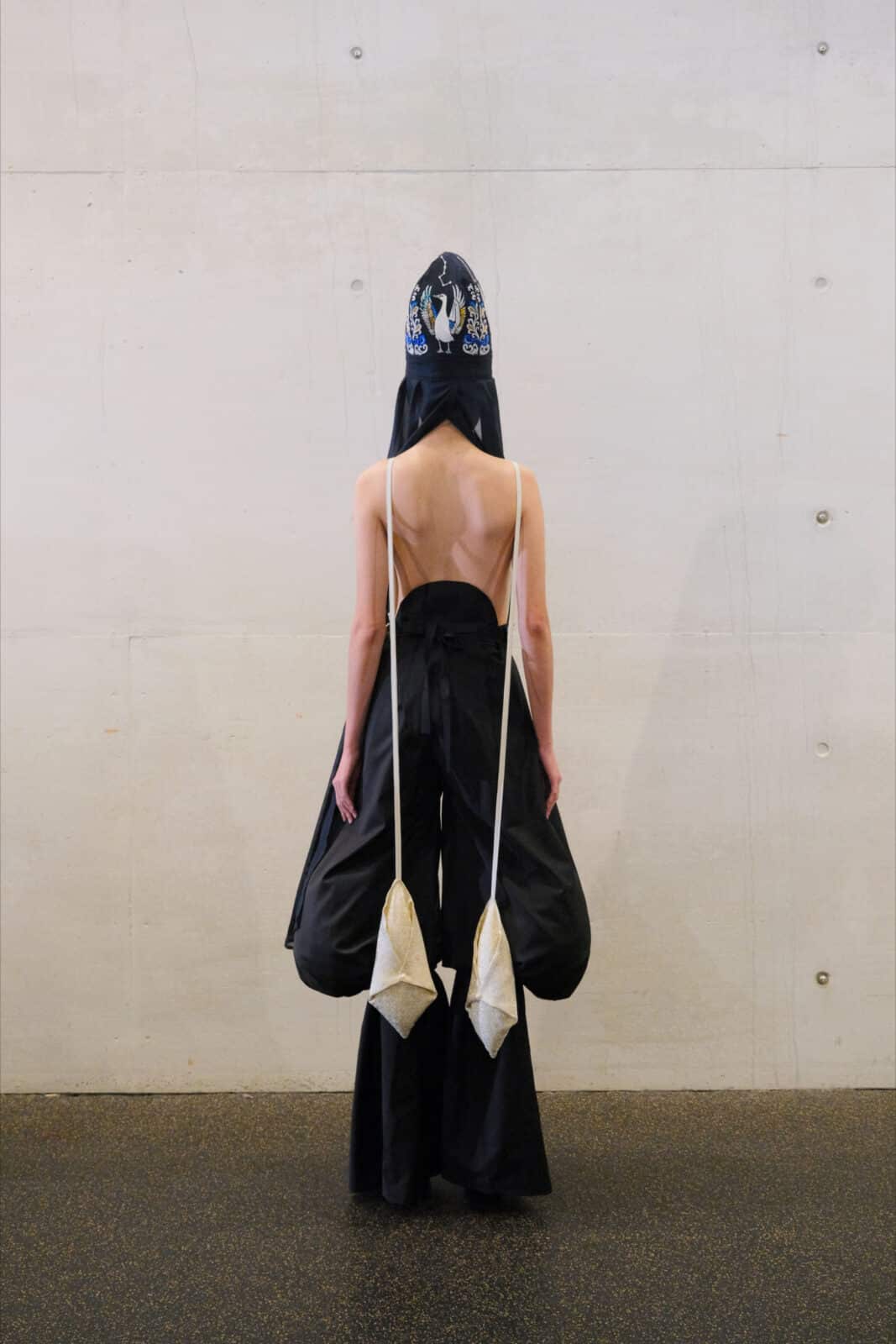
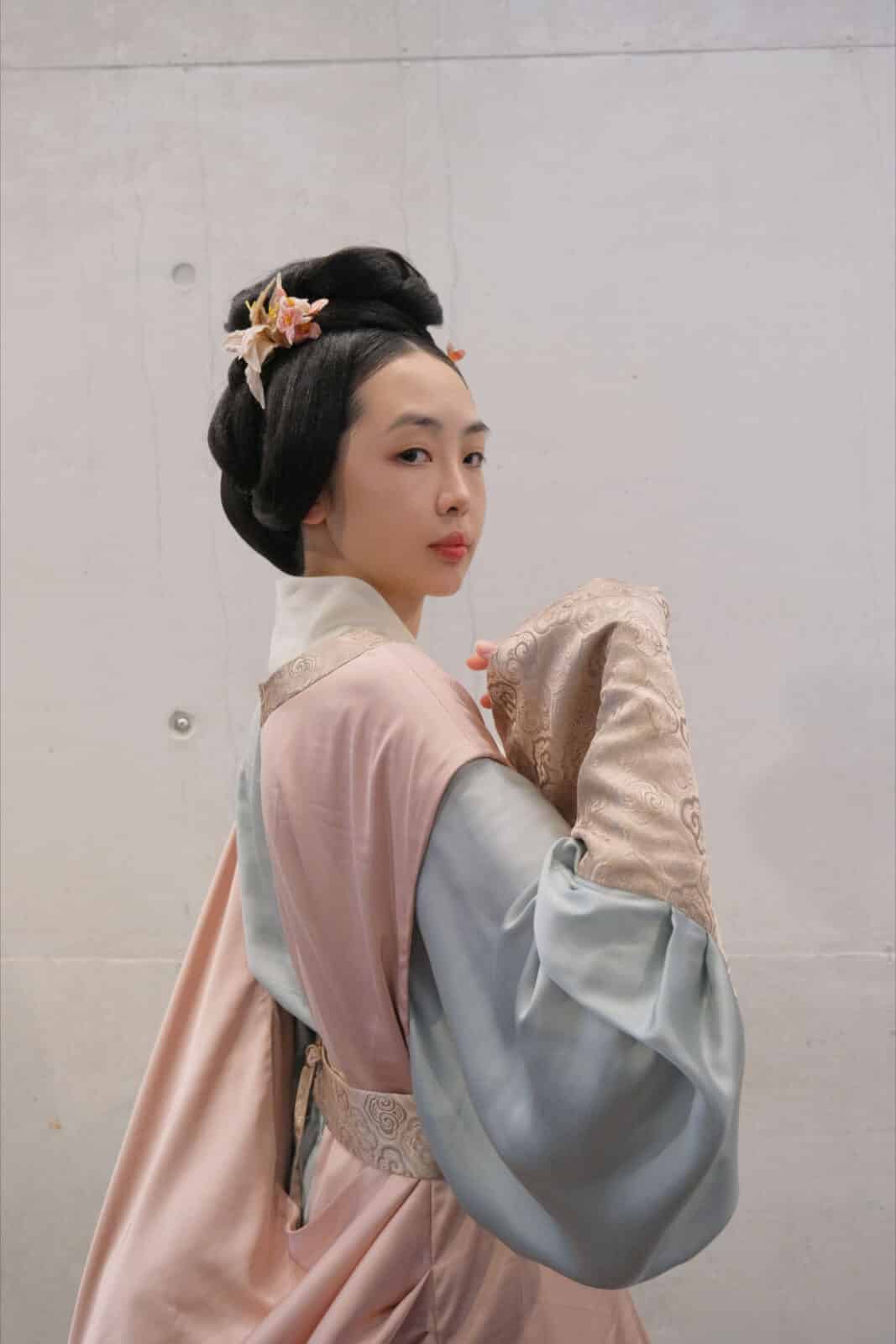
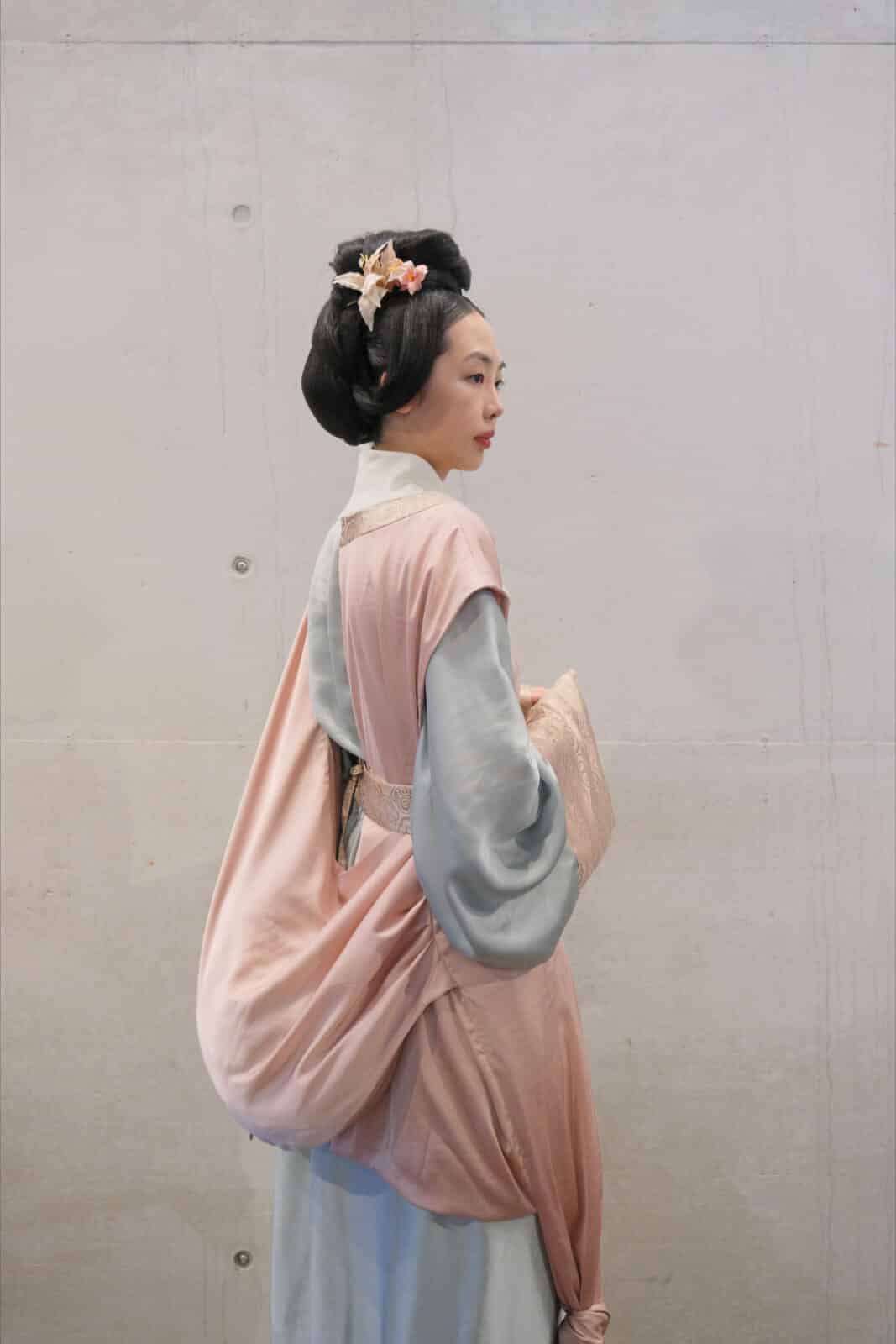
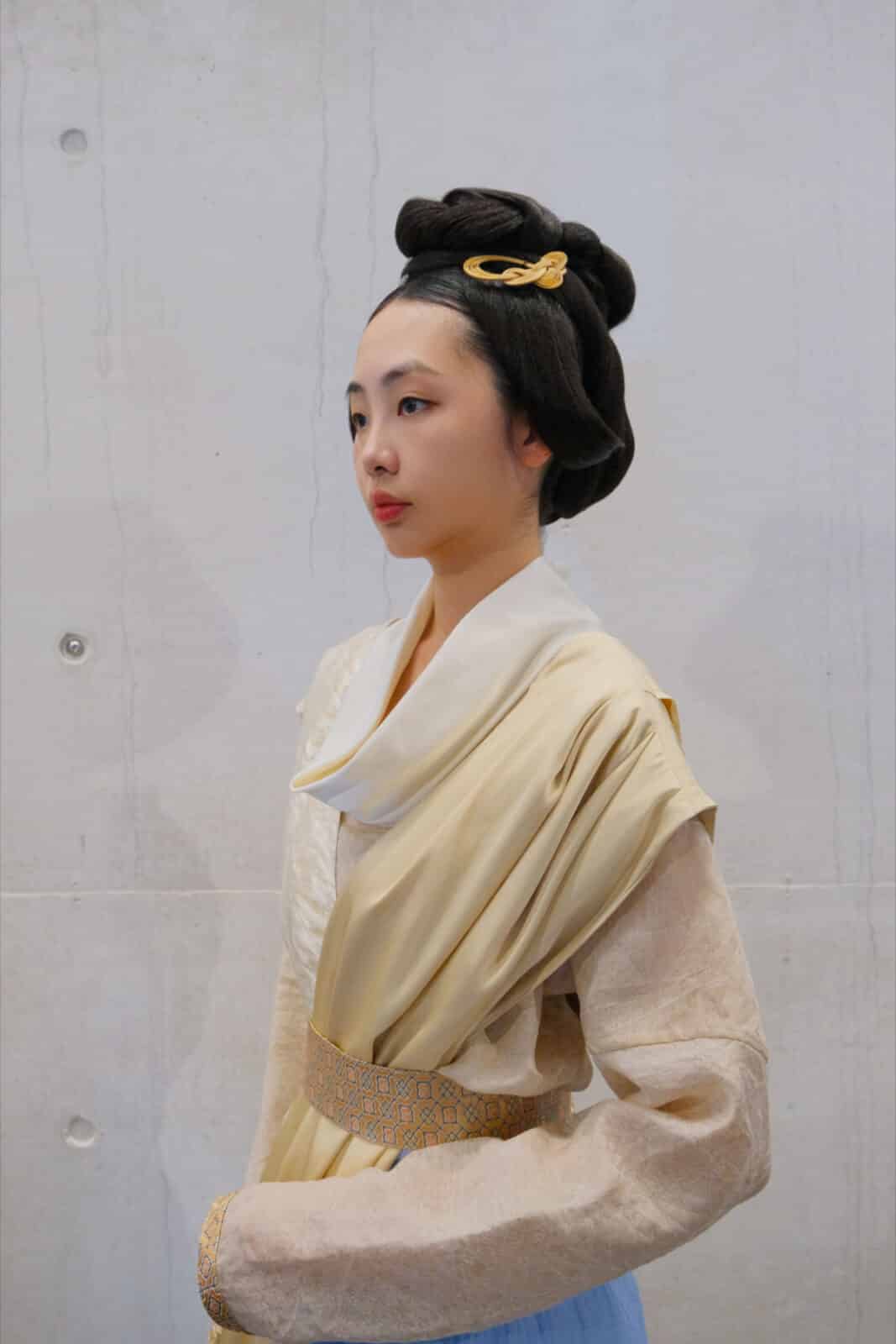
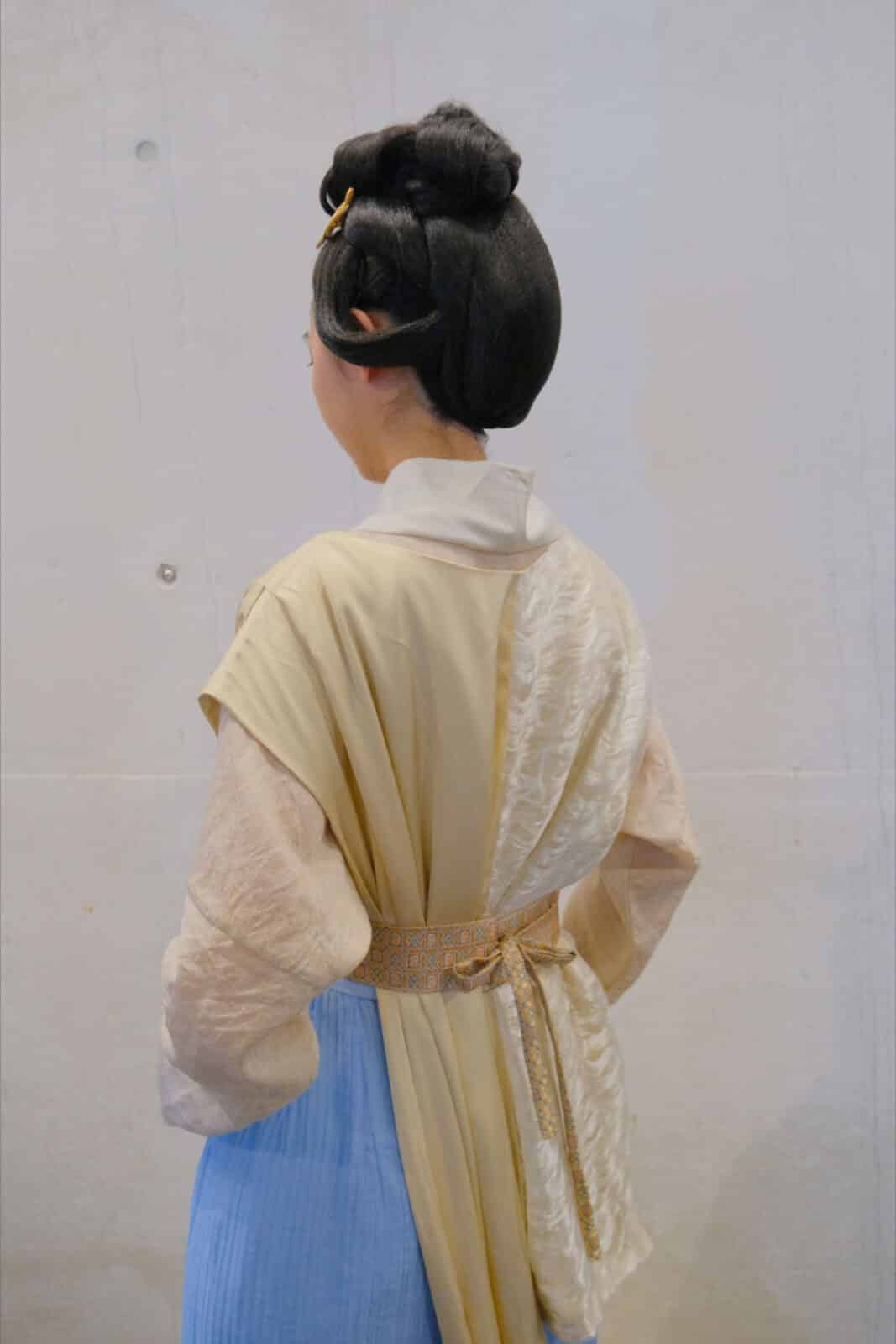
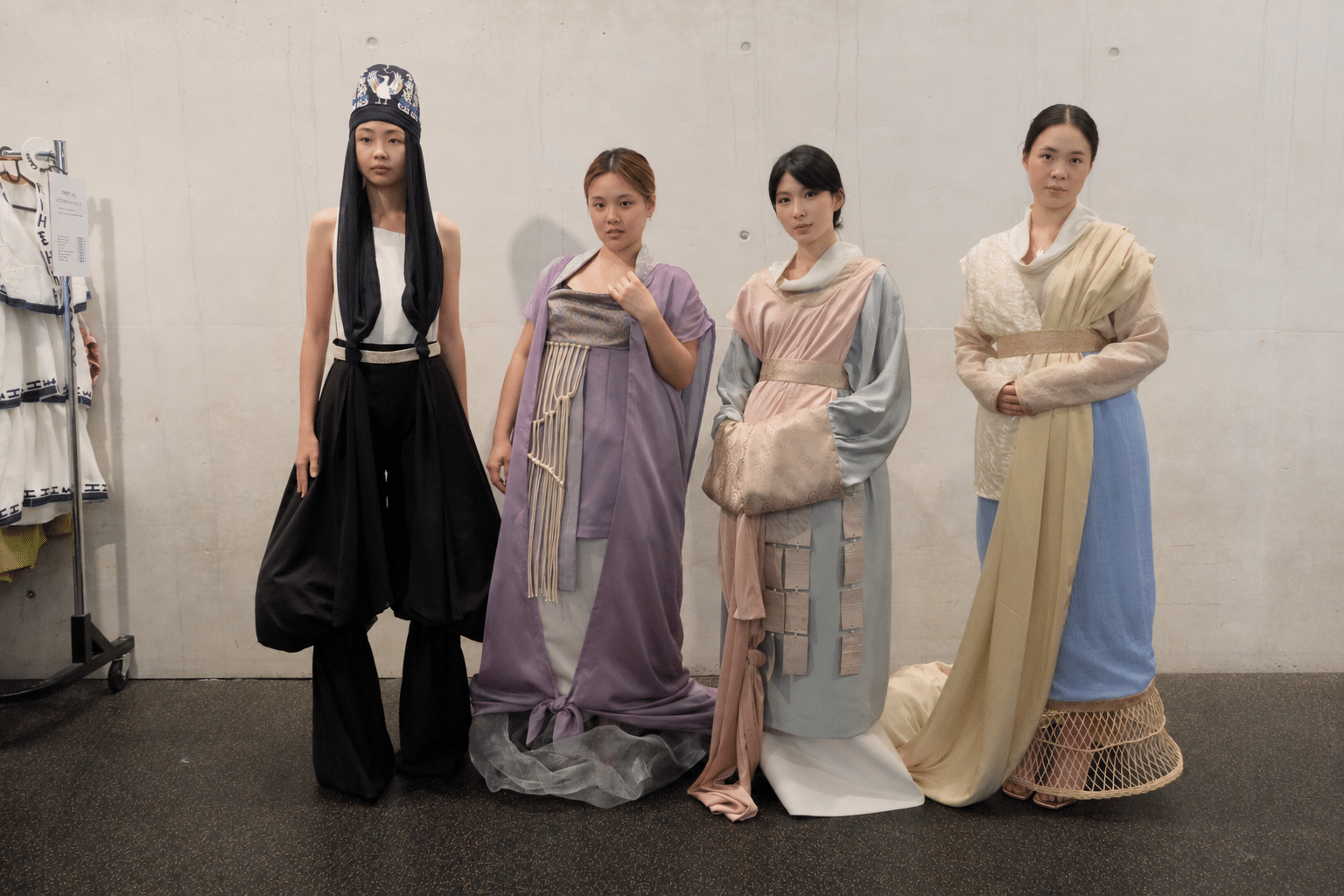
The four looks were developed from different ways of carrying traditional Chinese cloth bundles. By studying how the weight shifts across the body, I explored different garment silhouettes: Look 1 places the weight on the back, Look 2 at the side, Look 3 suspended behind the body, and Look 4 on both sides of the thighs.
THE COLLECTION
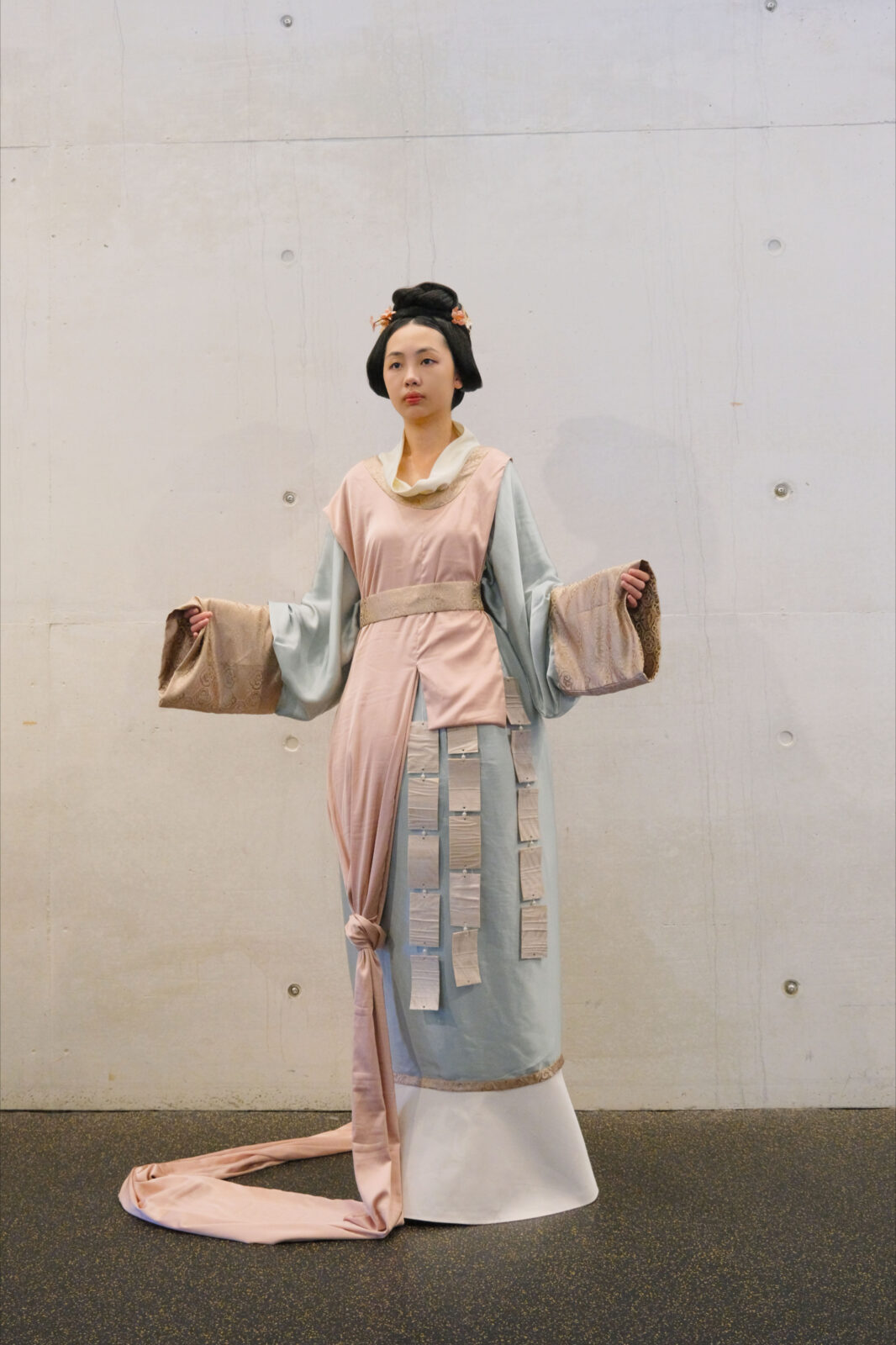
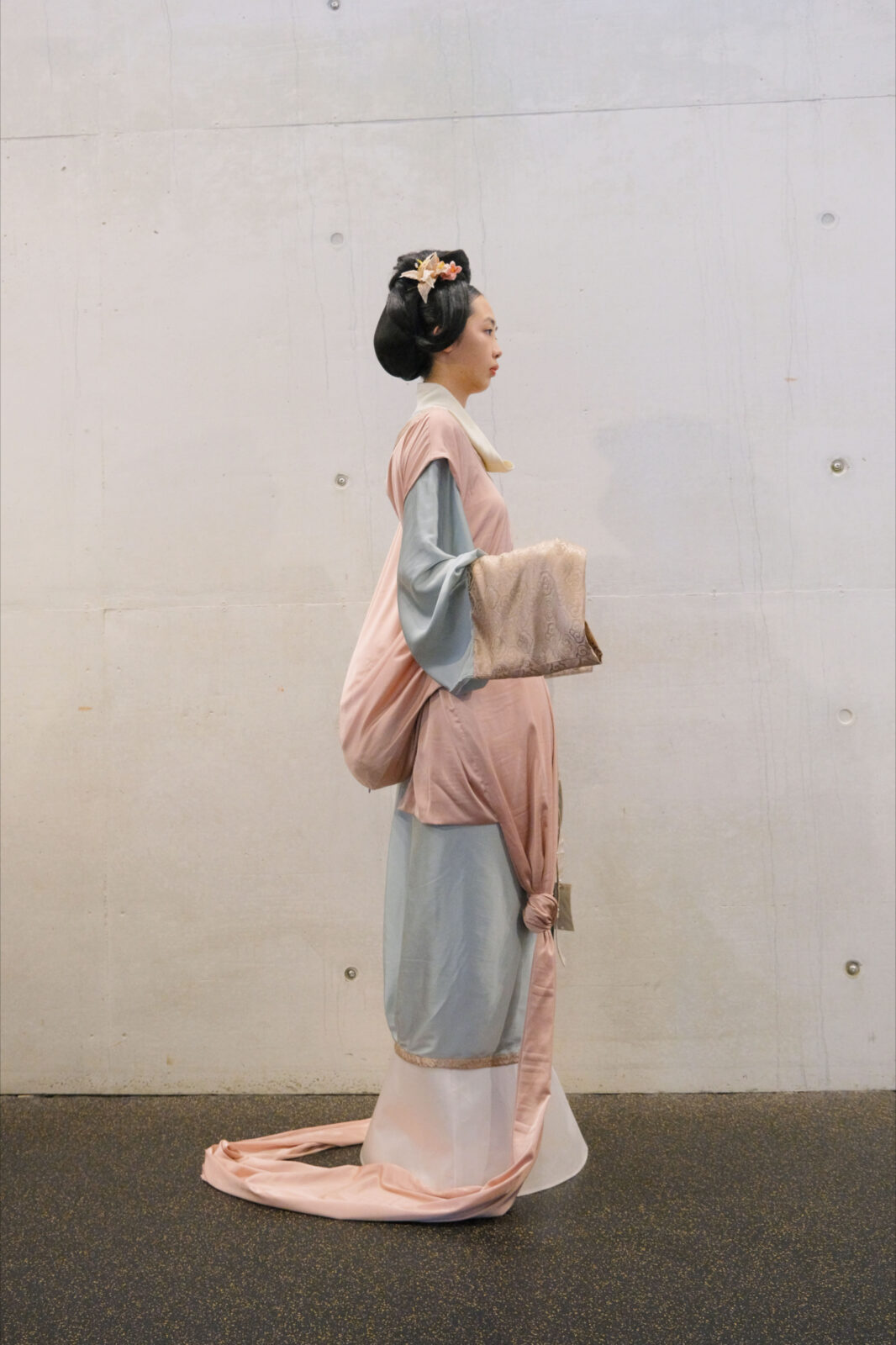
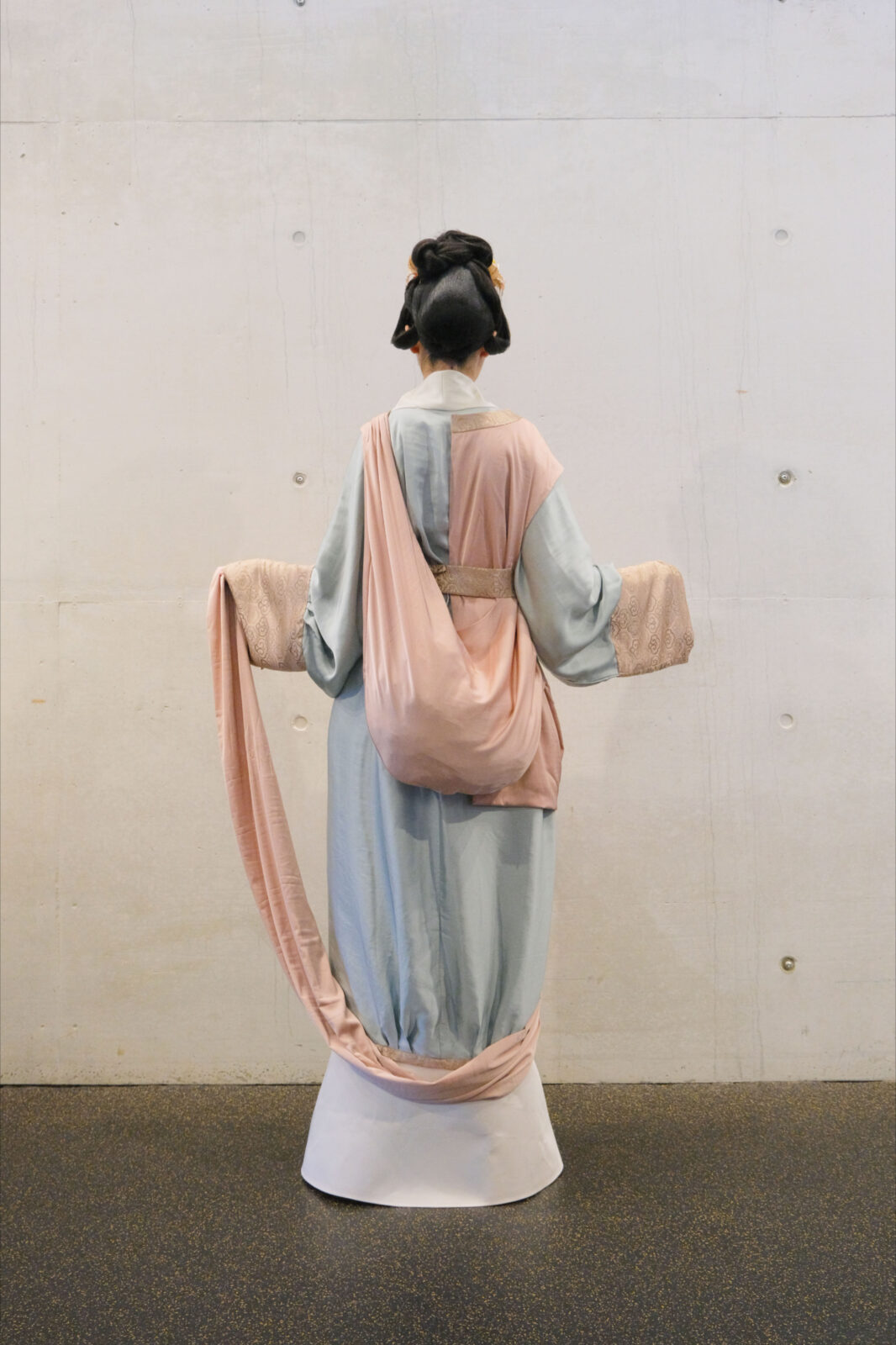
LOOK 1. The BAO FU is positioned on the back, with fabric extending from the shoulders and falling naturally behind the body, reflecting the traditional way of carrying a BAO FU. The satin hem references the cloth traditionally used to wrap and carry personal belongings.
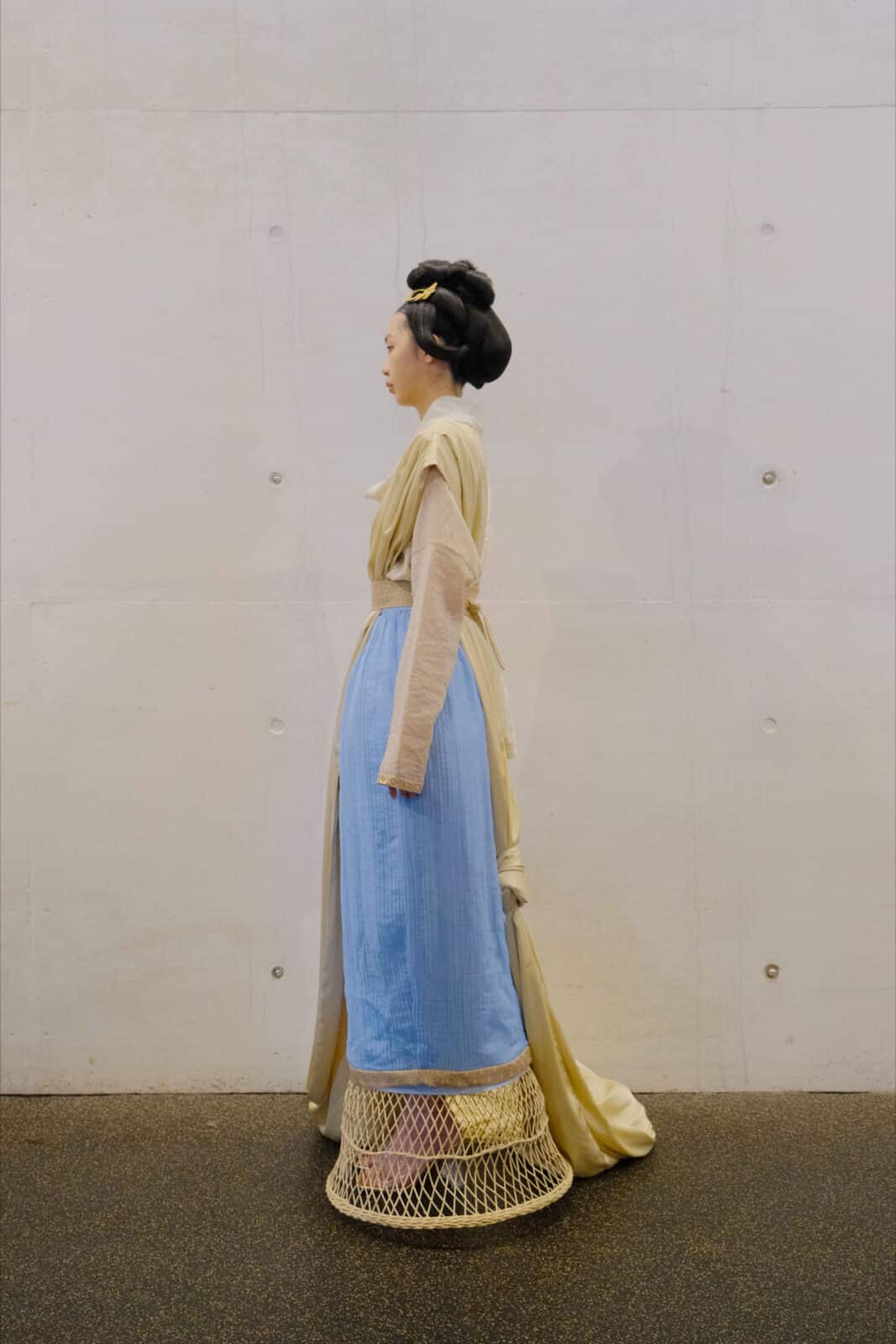
LOOK 2. Inspired by carrying a BAO FU over one shoulder, the fabric is gathered on one side of the body to create an asymmetrical silhouette. The woven rattan hem references traditional baskets and containers used to carry belongings during travel.
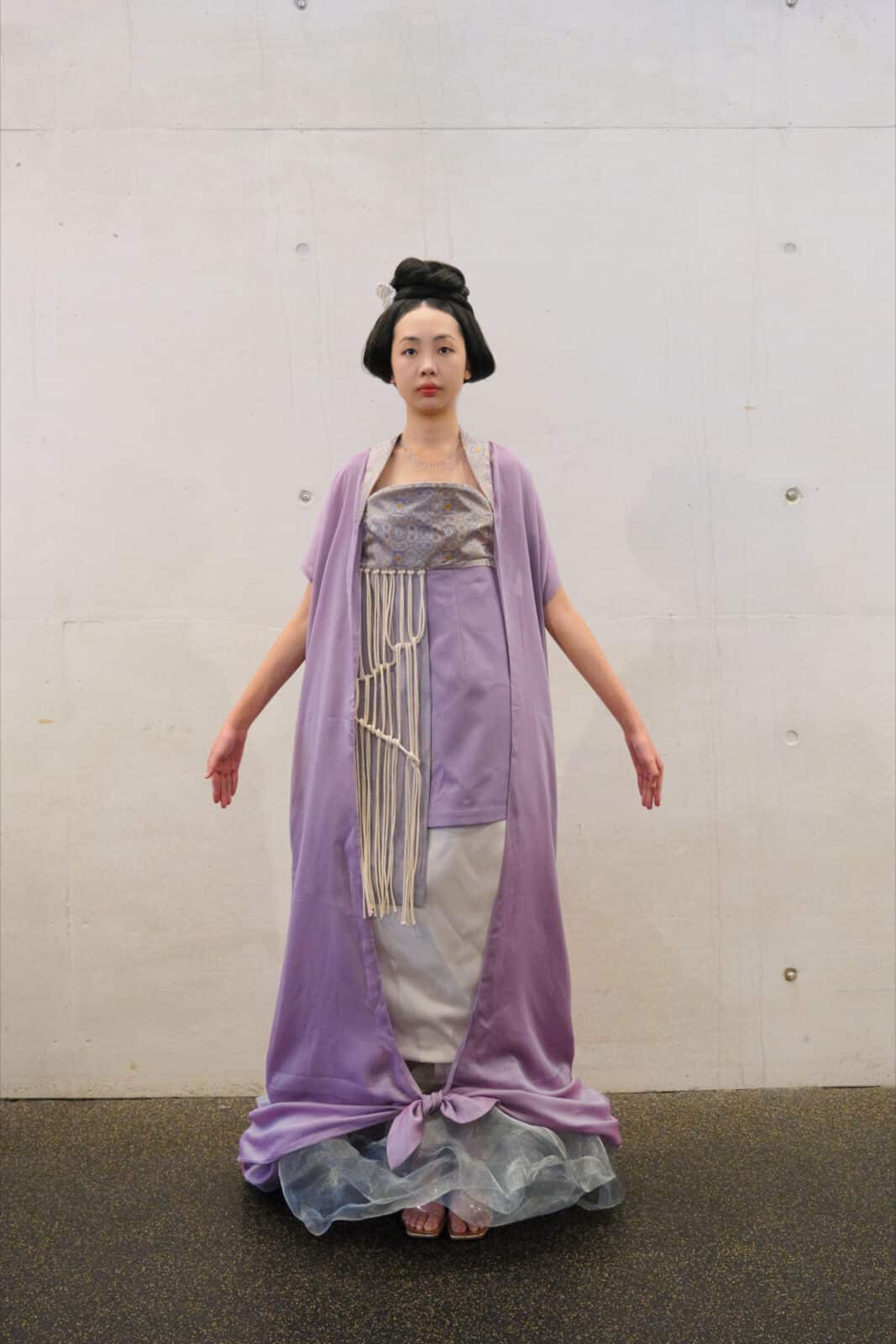
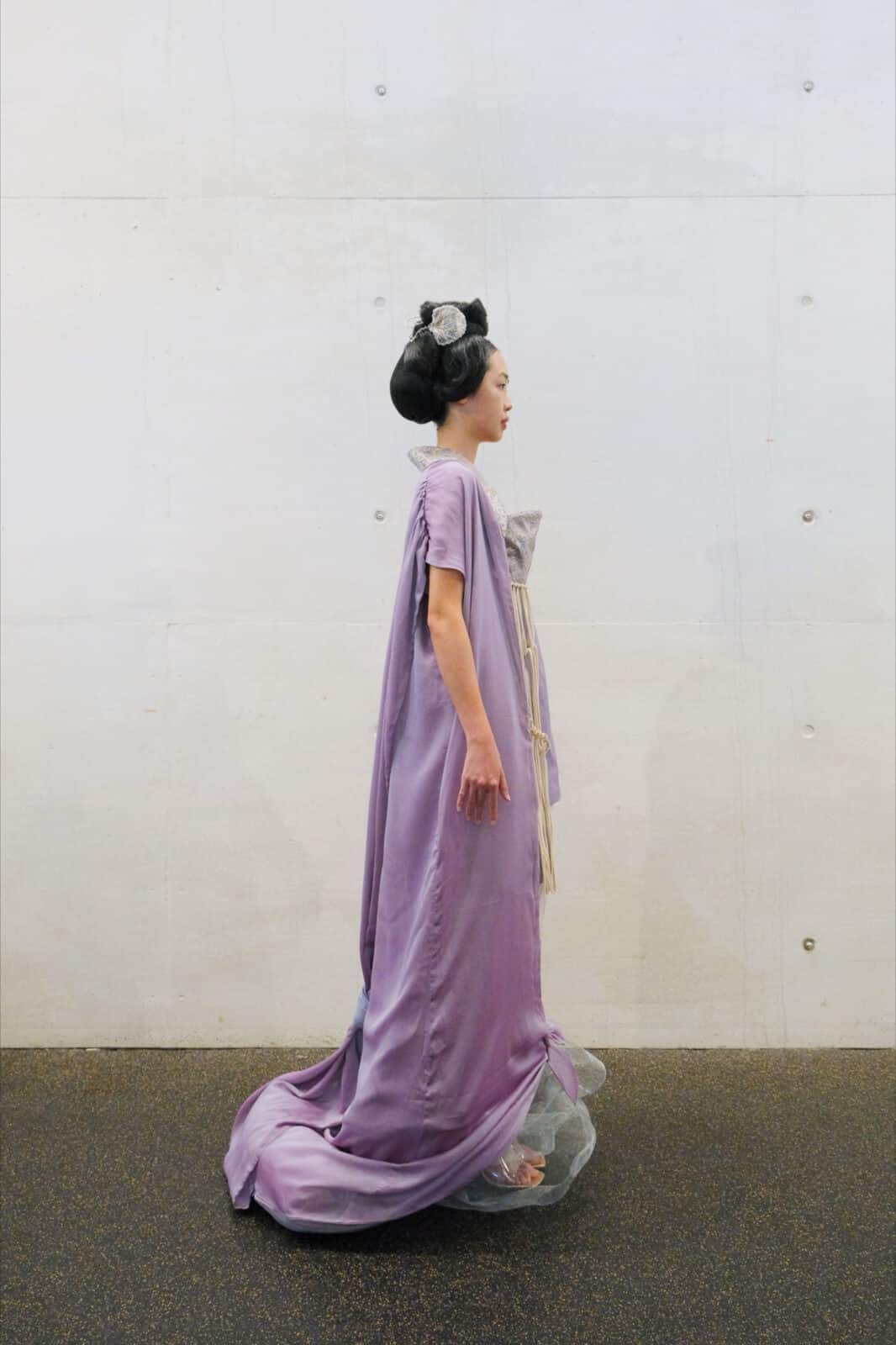
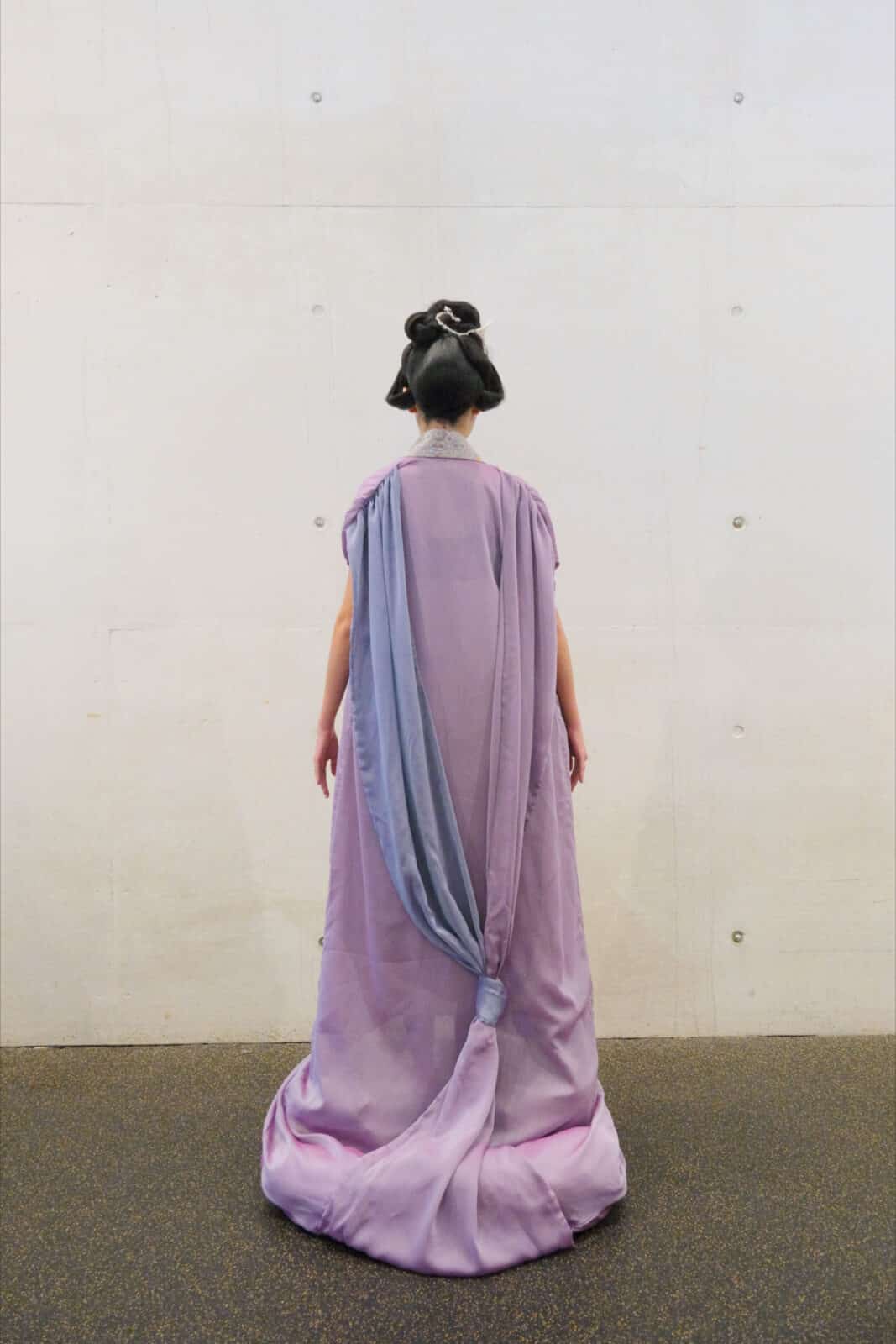
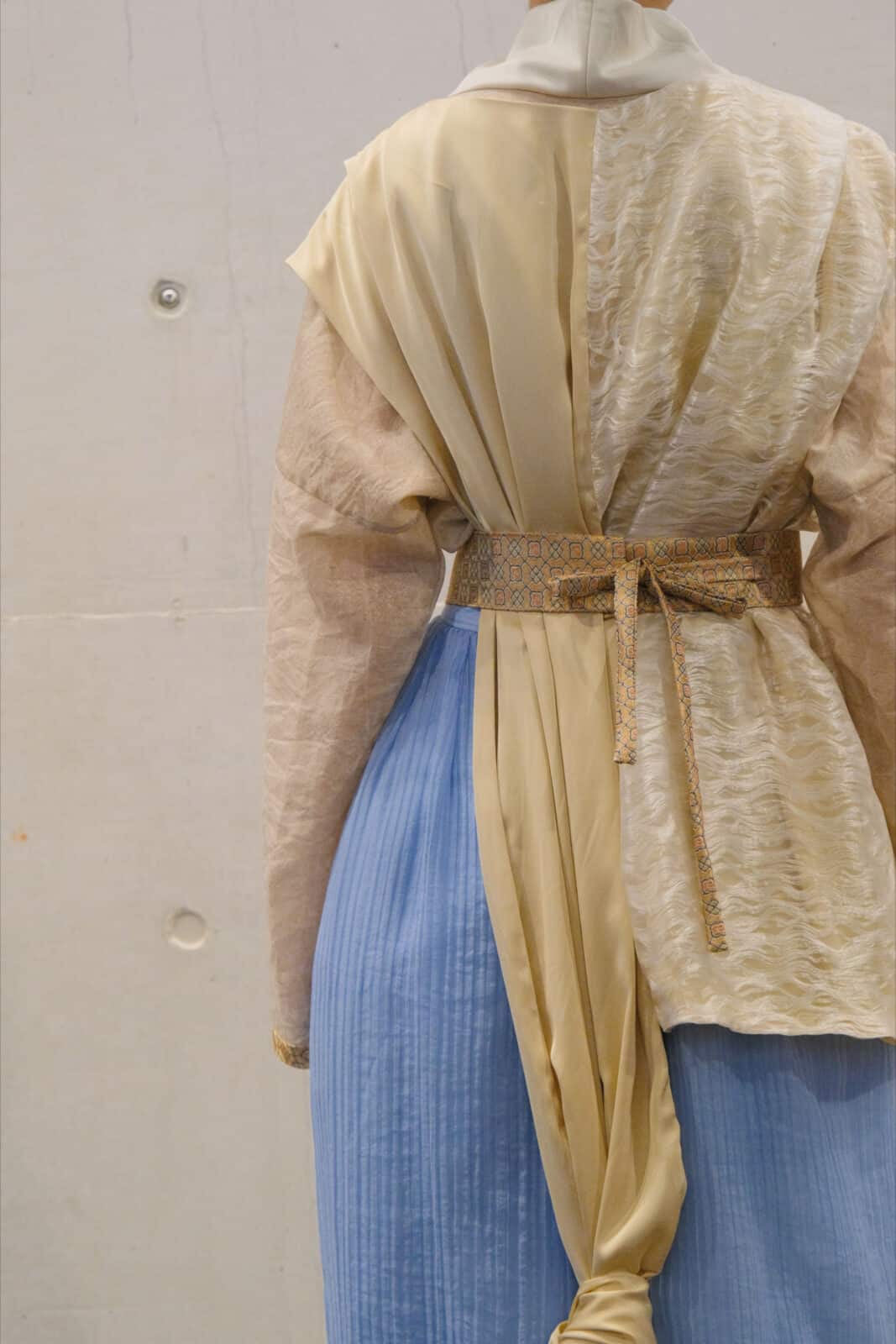
LOOK 3. The BAO FU sits behind the body, with gathered and extended fabric adding volume to the back and lower part of the garment. The wire mesh hem draws on the rigid structures of modern luggage, contrasting with the softness of the fabric.
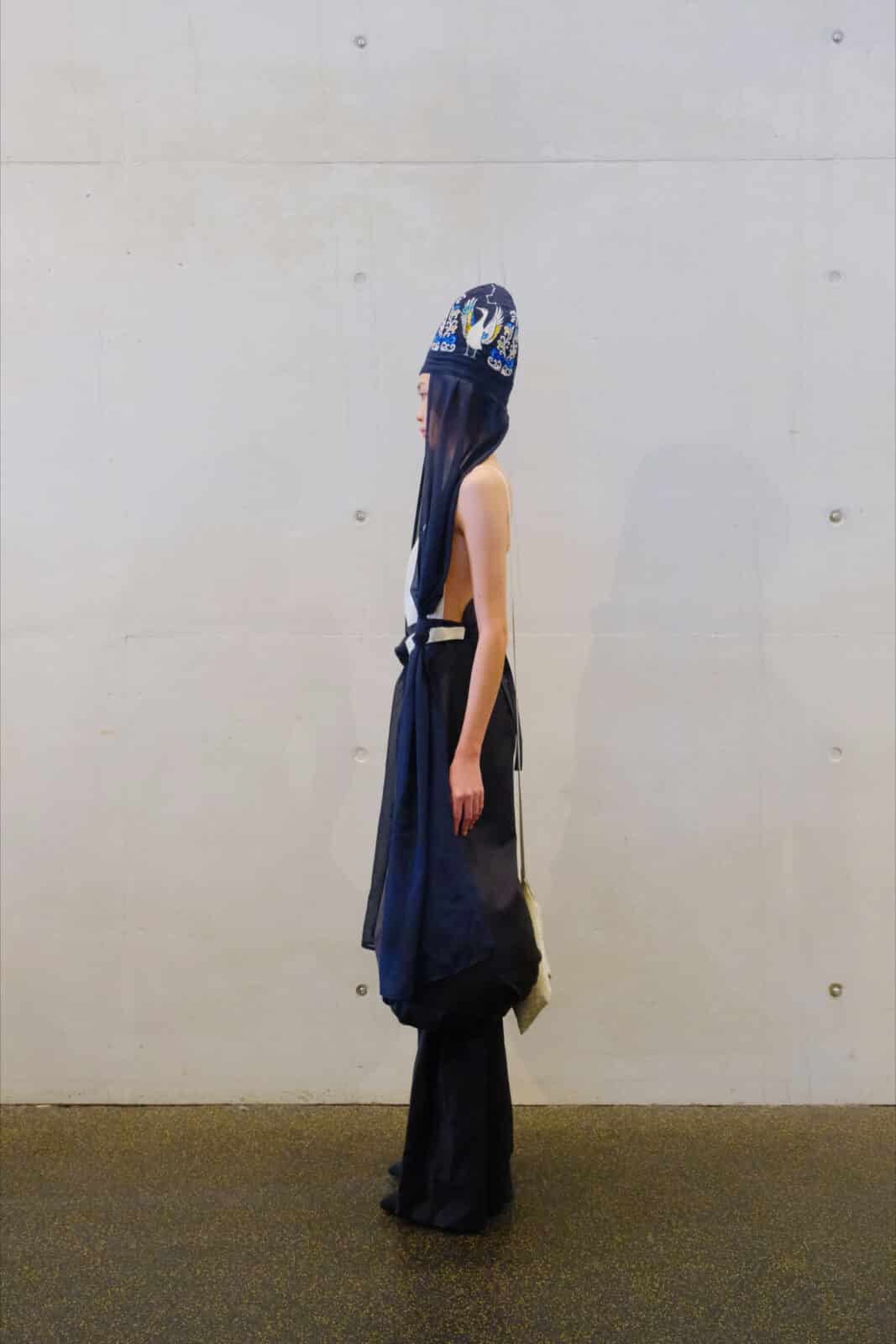
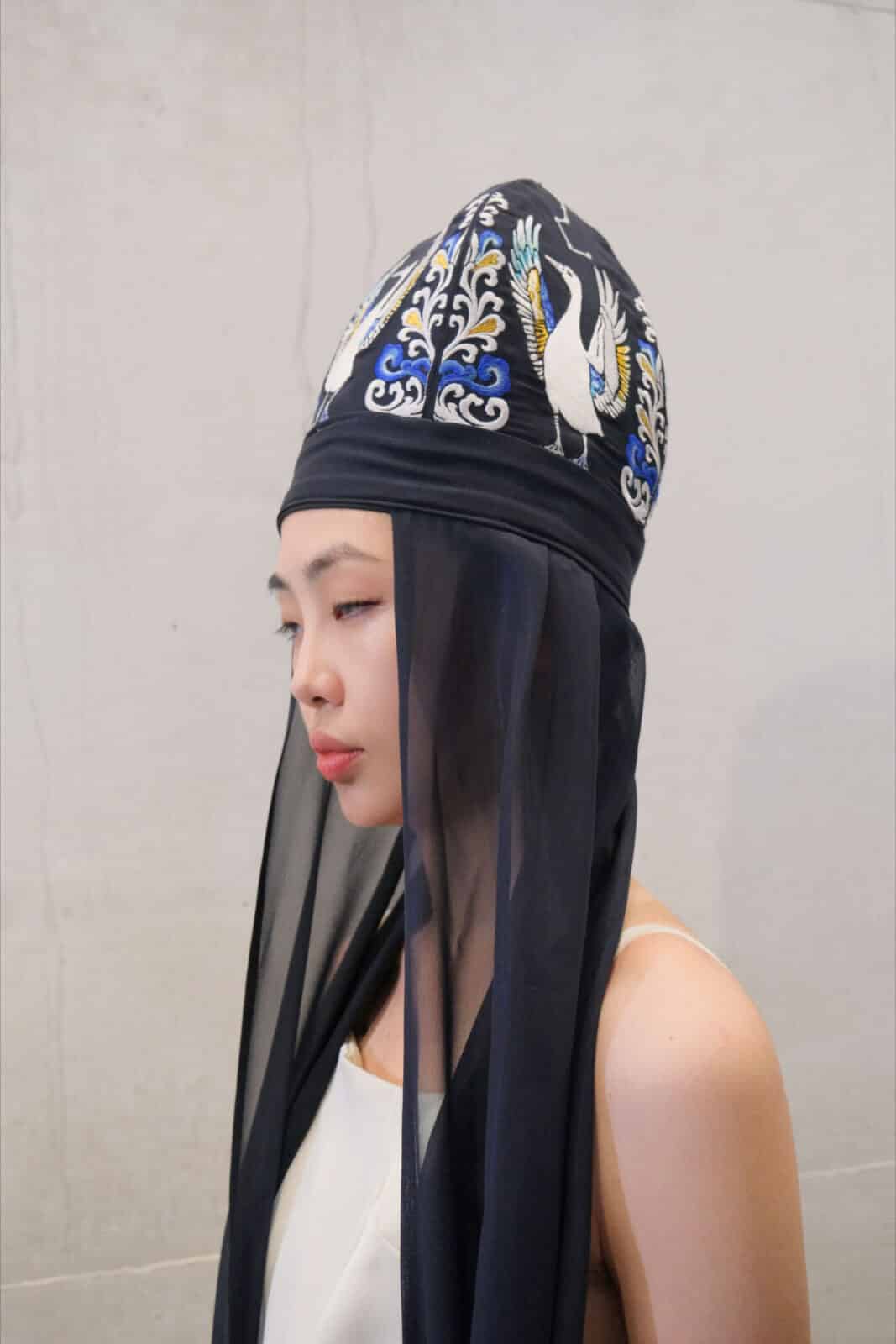
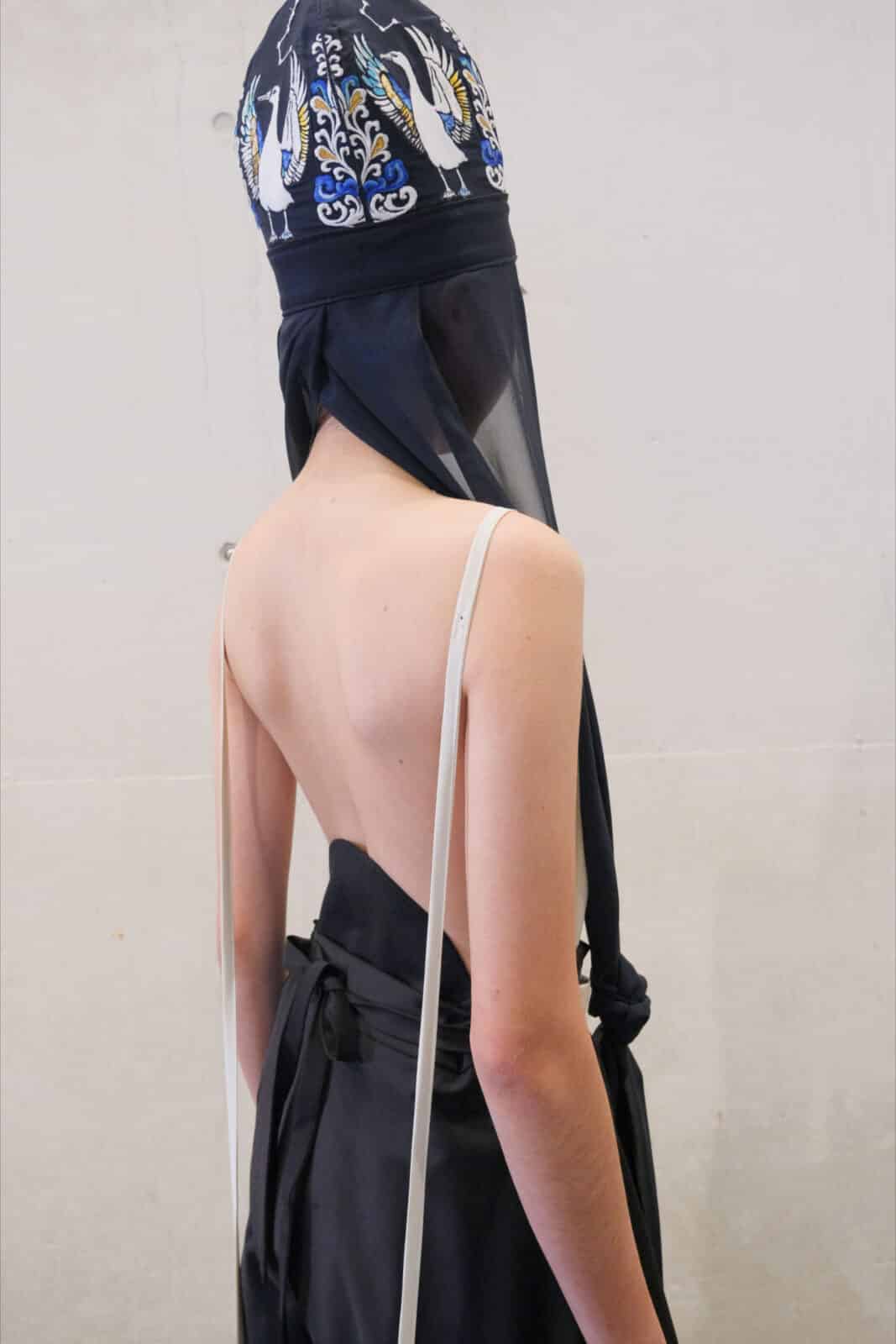
LOOK 4. BAO FU are positioned on both sides of the thighs, creating a three-dimensional structure with balanced volume. The front of the garment is secured by weights at the back. The embroidered wild geese on the headpiece symbolise homecoming, reflecting their association with migration and return in Chinese culture.
GARMENT DETAILS
SPECIAL THANKS
To my friends who modelled for BAO FU, thank you for your time, trust, and support. I’m so happy we got to share this special moment on the runway together.