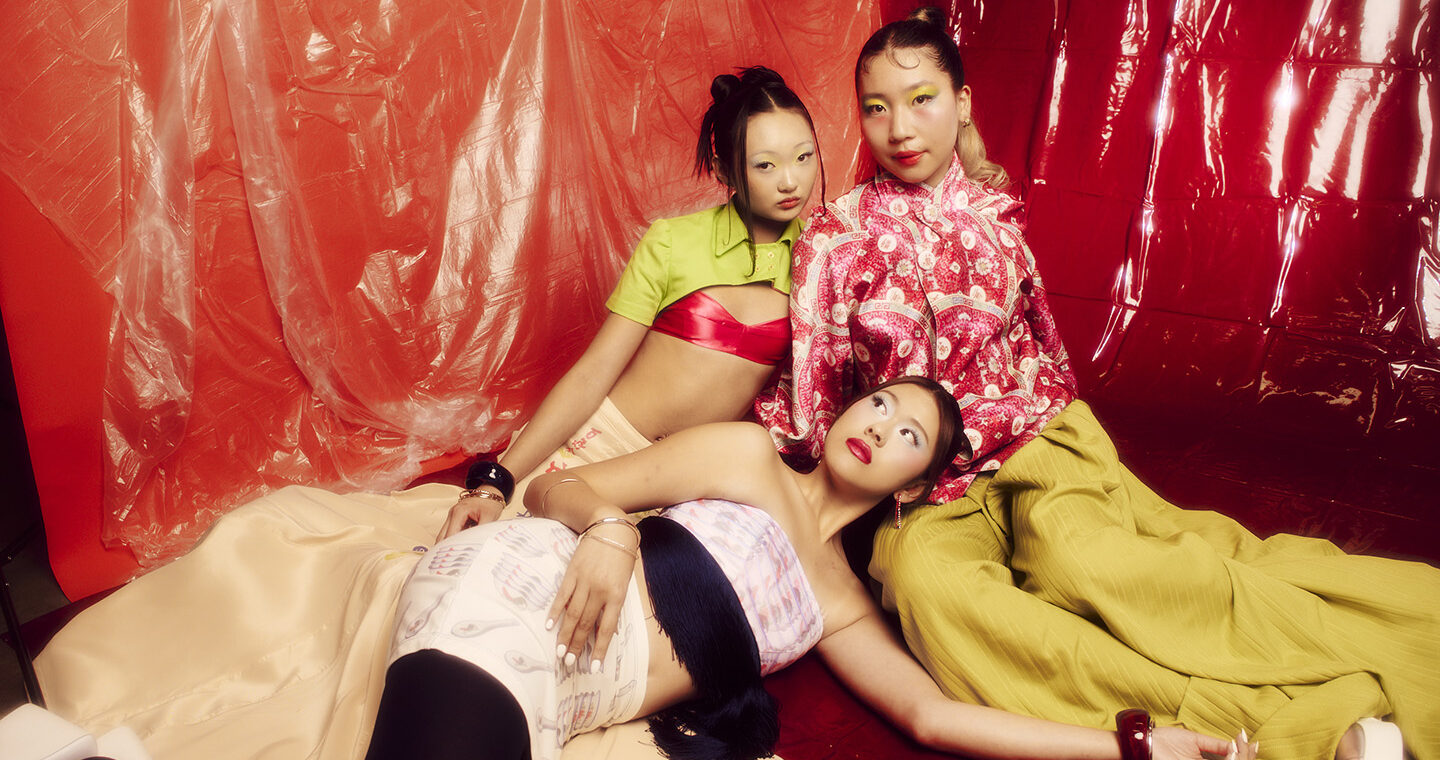
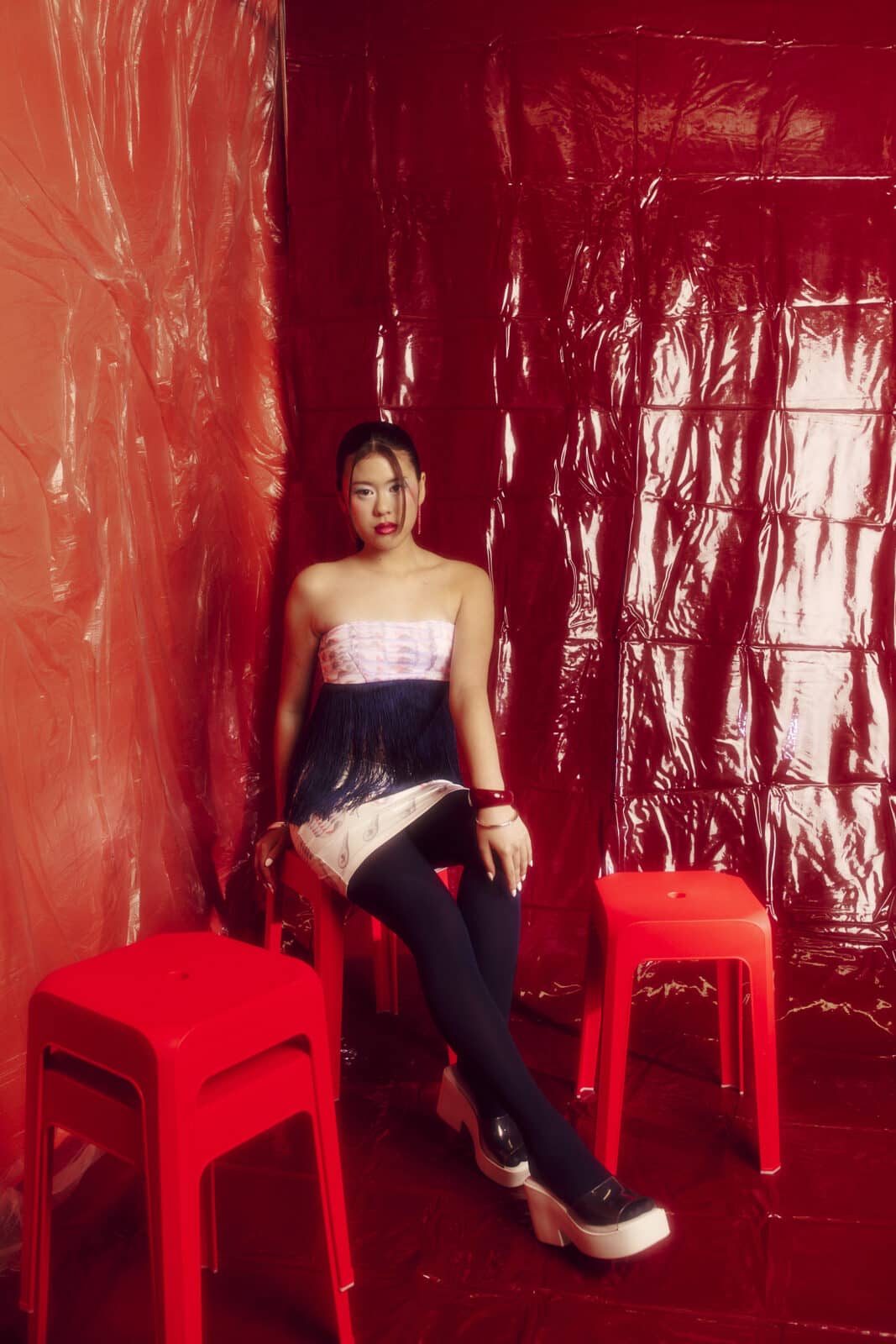
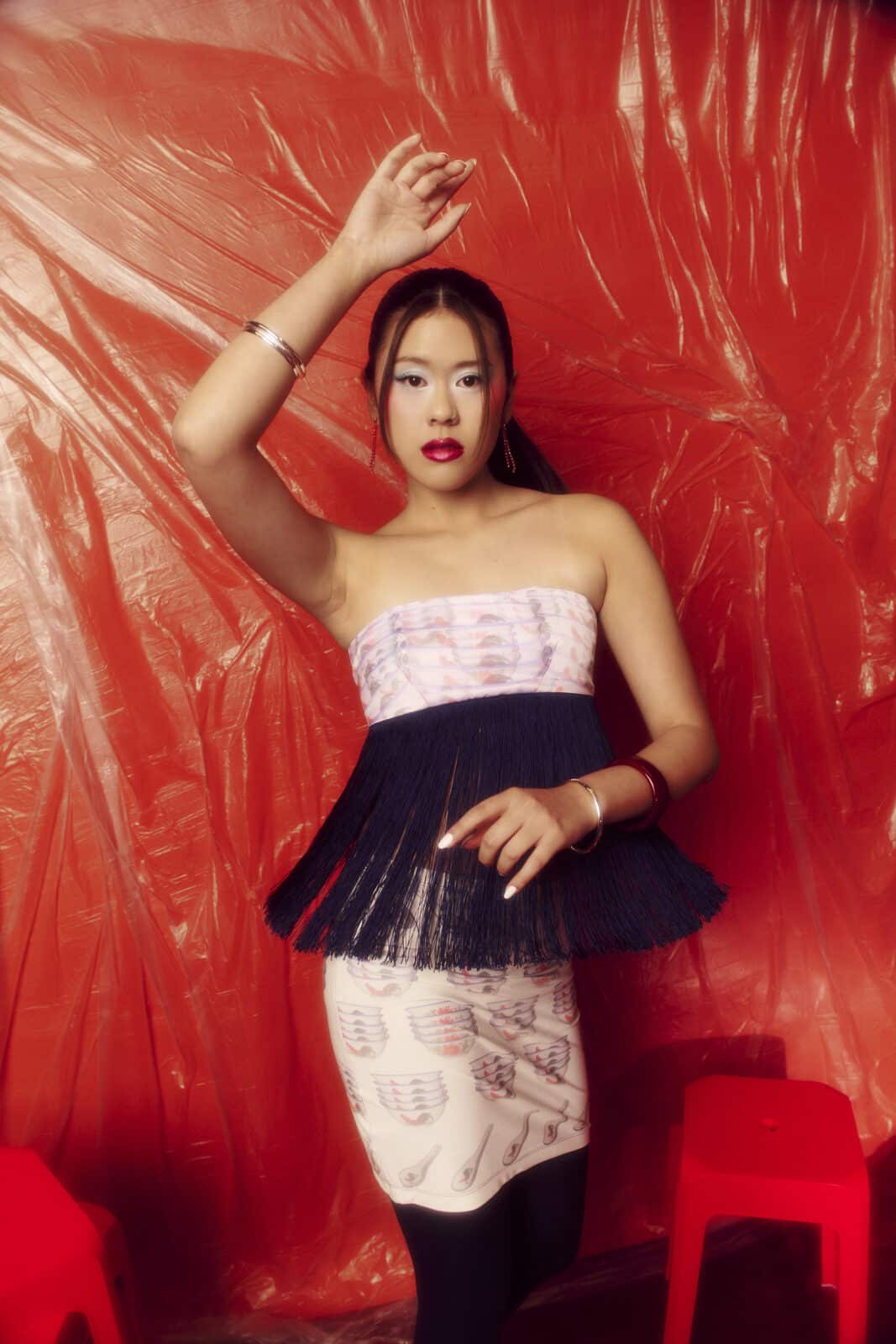
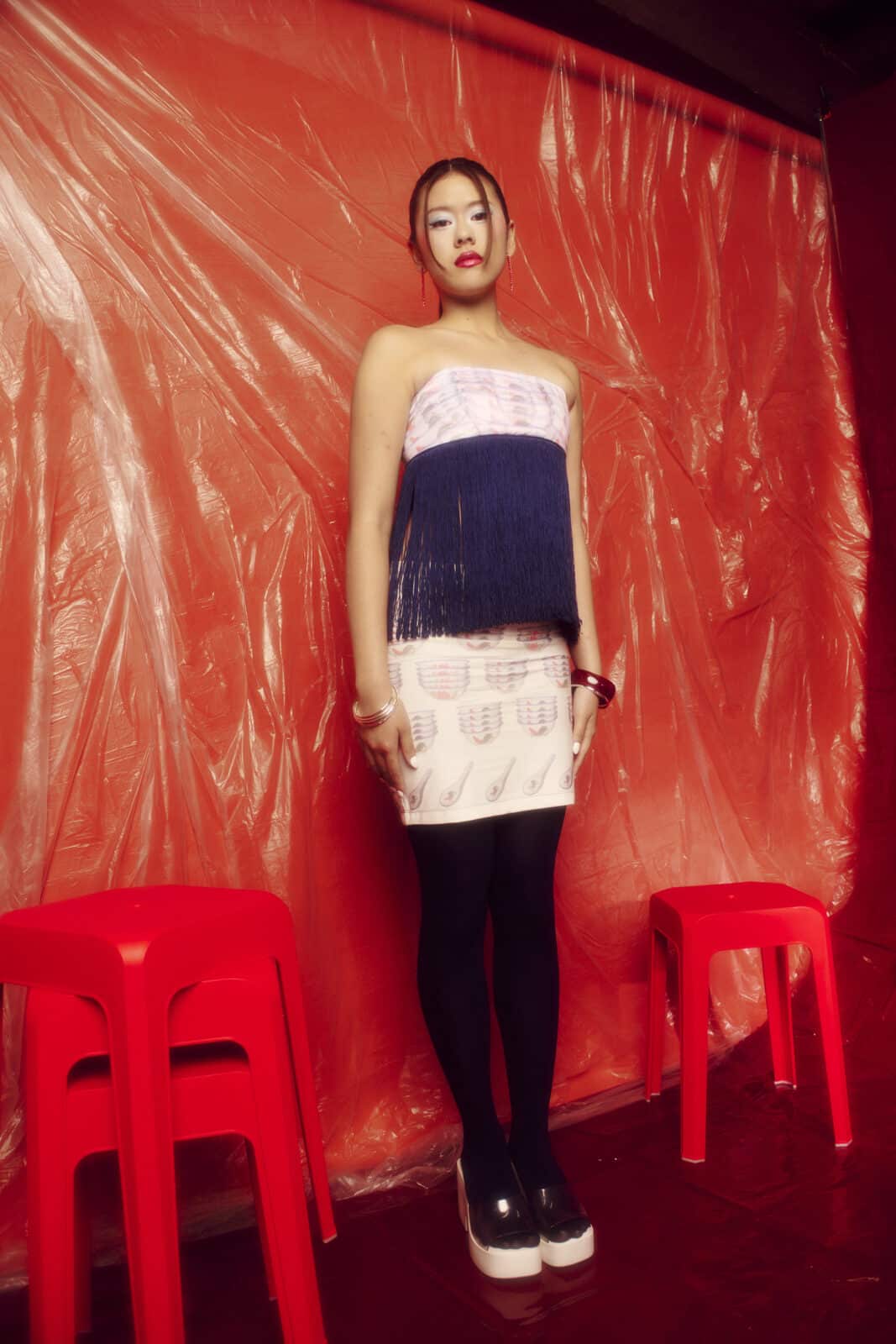
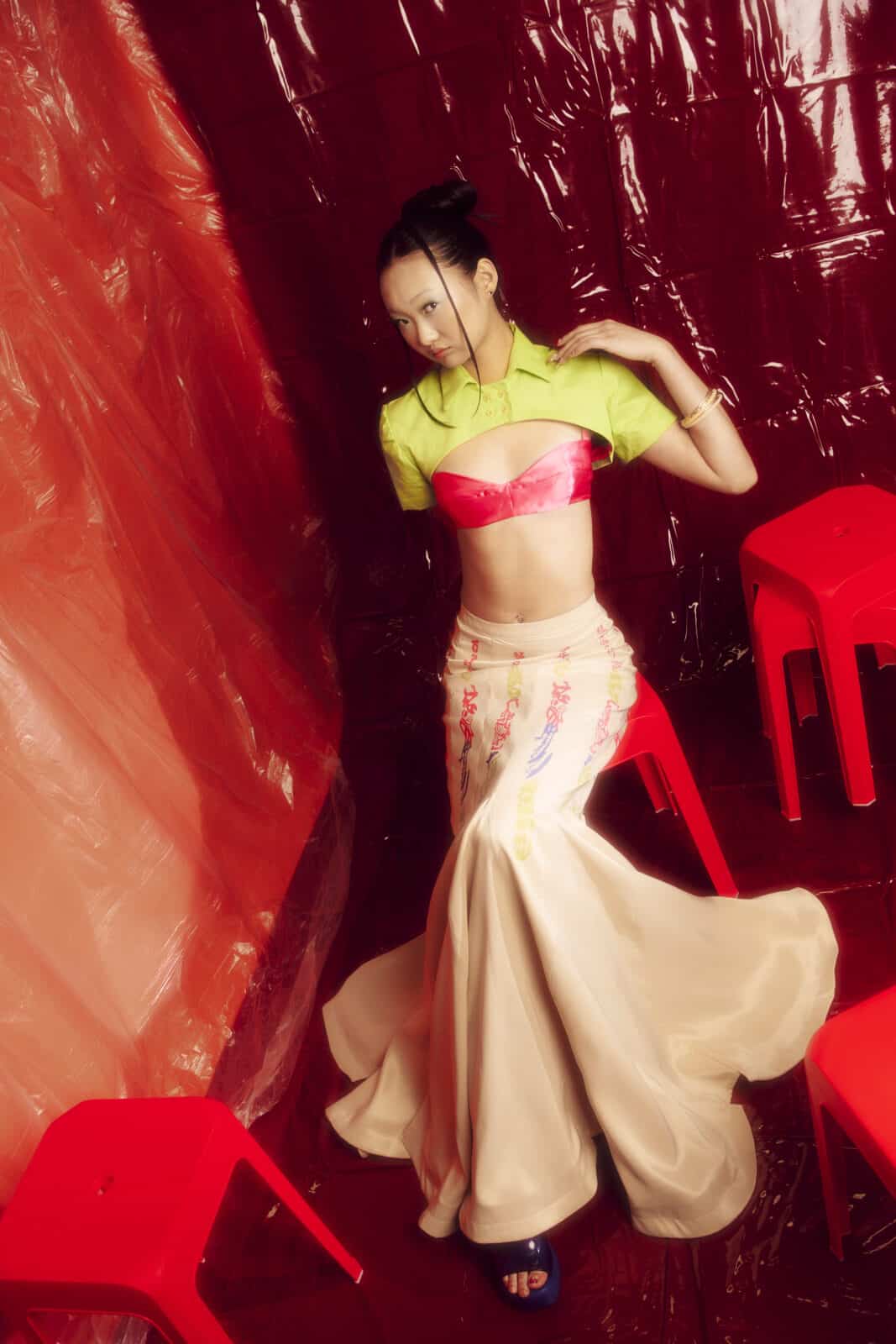
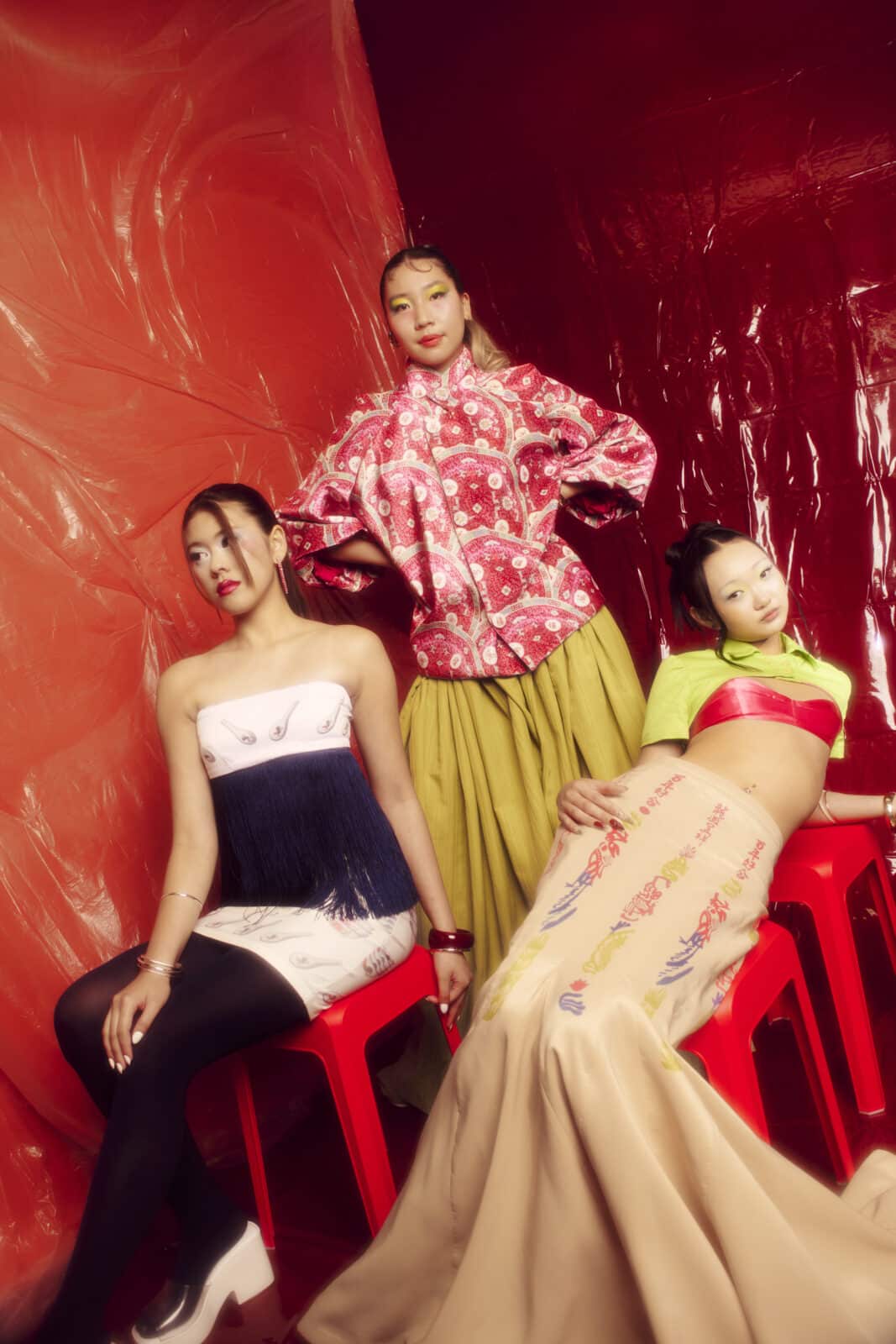
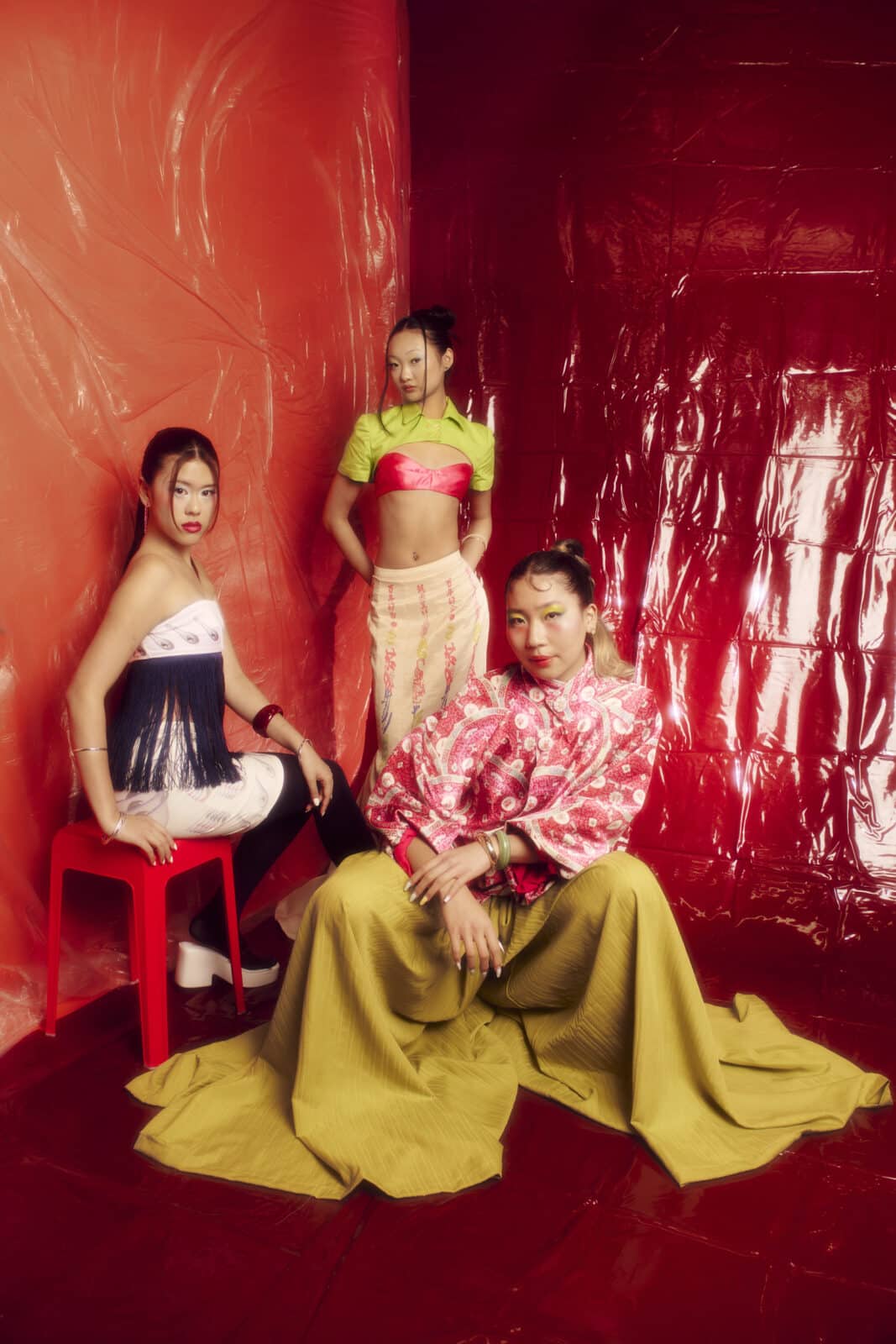
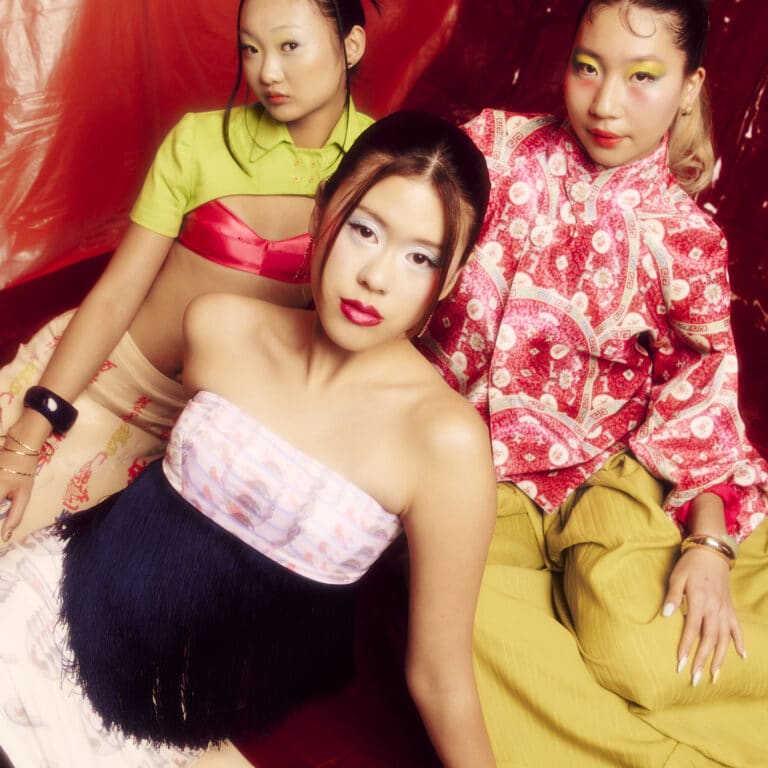
Chinese table aesthetics can make each meal much more enriching and flavourful for families to enjoy. This collection focuses on the cutlery and dishware from my Chinese Malaysian background.
In Asian culture, food holds an important role in the upbringing and relations within the family and community (Choy, 2014). But in the Chinese culture, everything has to have meaning and symbolisms which is reflected in the dishware and cutlery used during said mealtimes. “This tradition of “speaking images” has long been deeply rooted in the minds of every Chinese: when they first encounter an object with certain decorative patterns, even if they could not recognize the pattern itself or could not speak out the meaning of them, they have the kind of awareness that there must be a hidden meaning behind these patterns” (Kang, 2013; Littler, 2025).
ling long porcelain
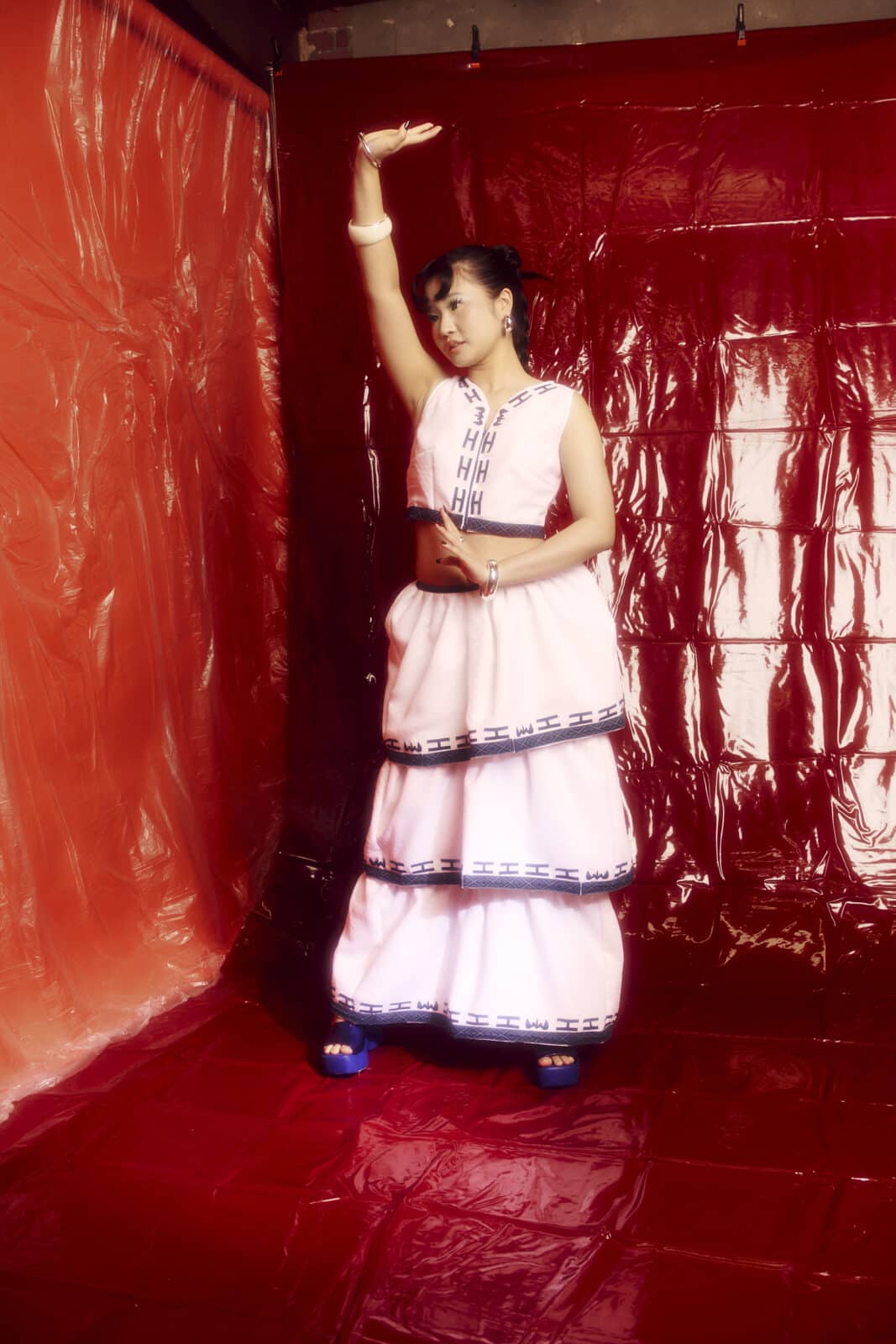
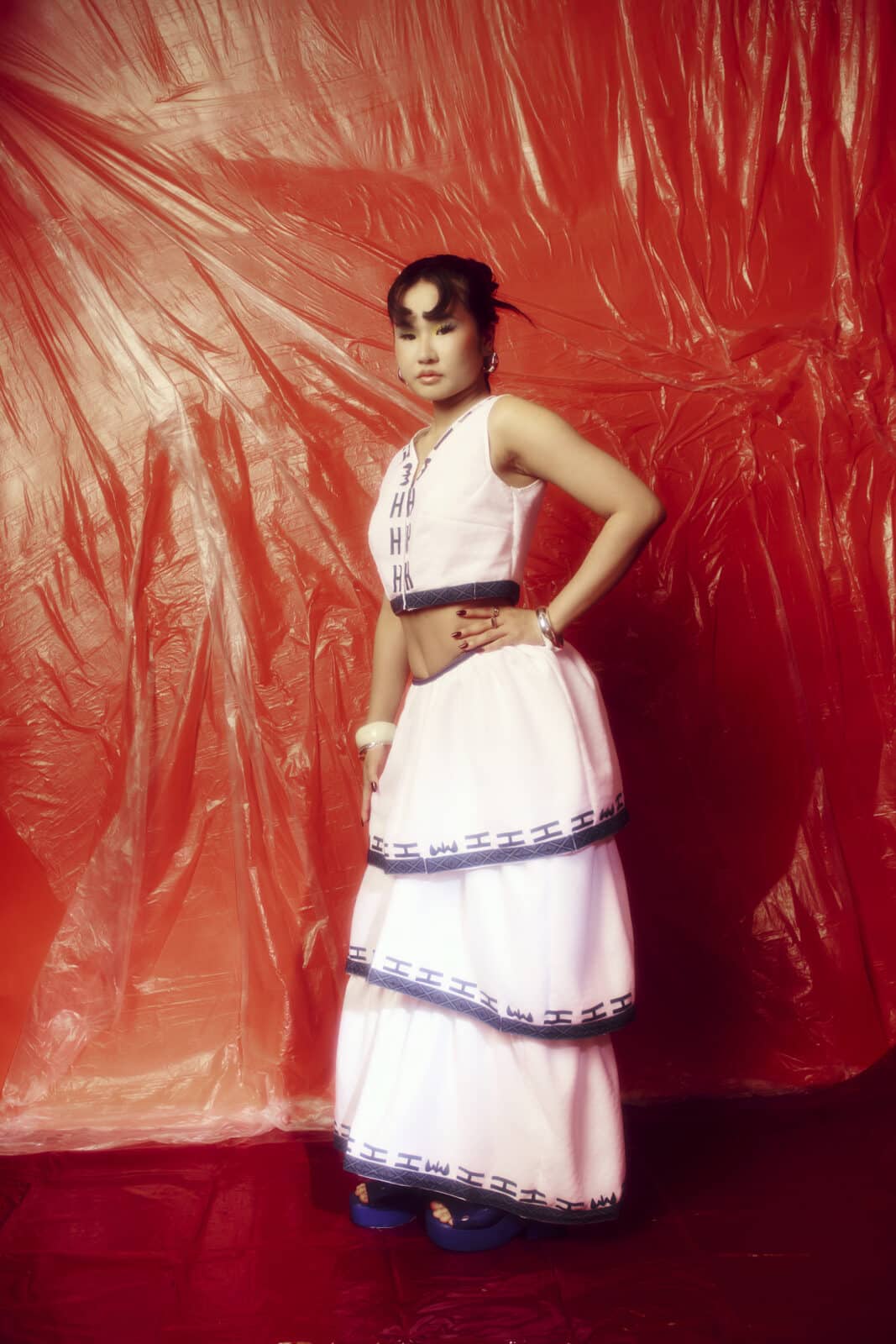
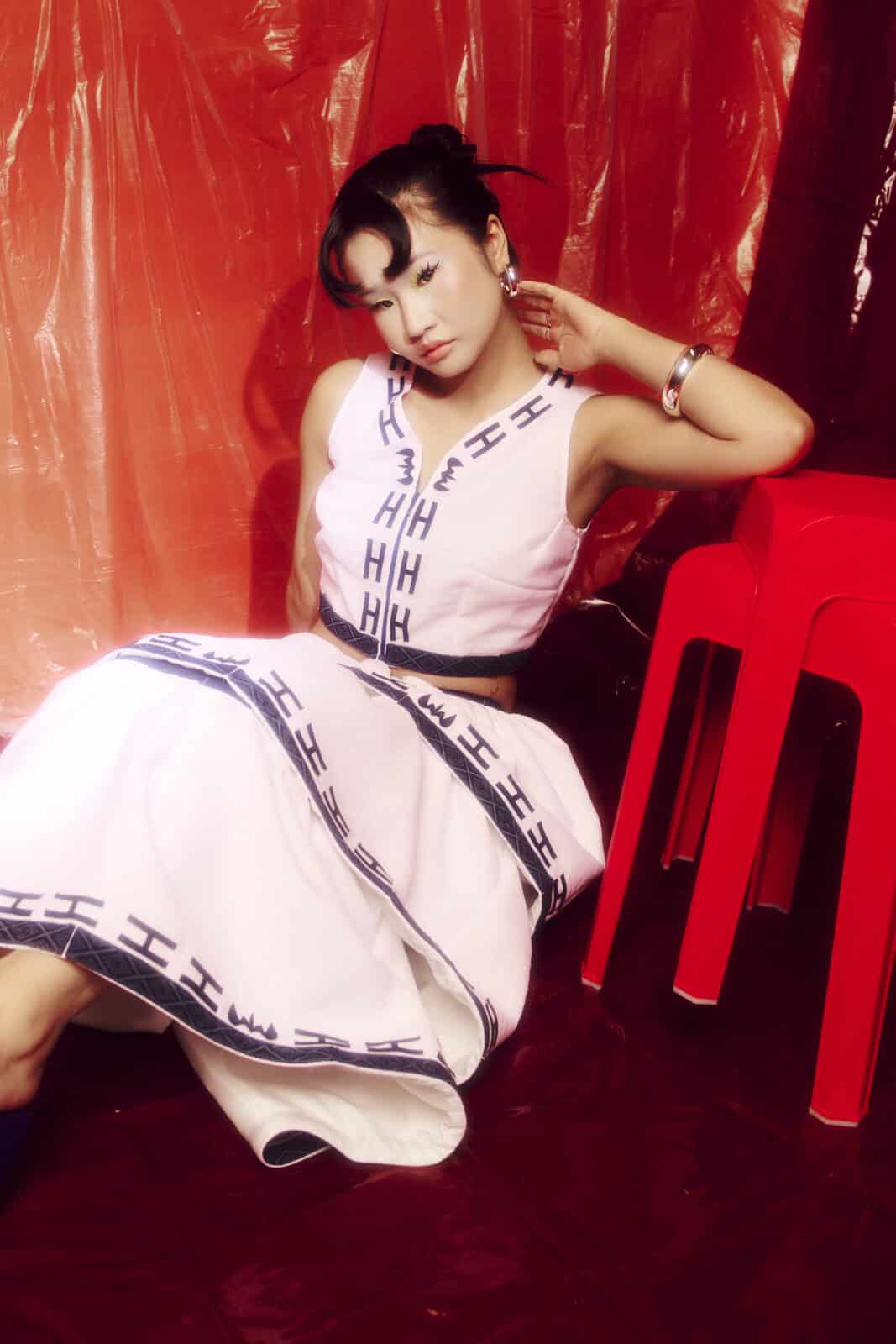
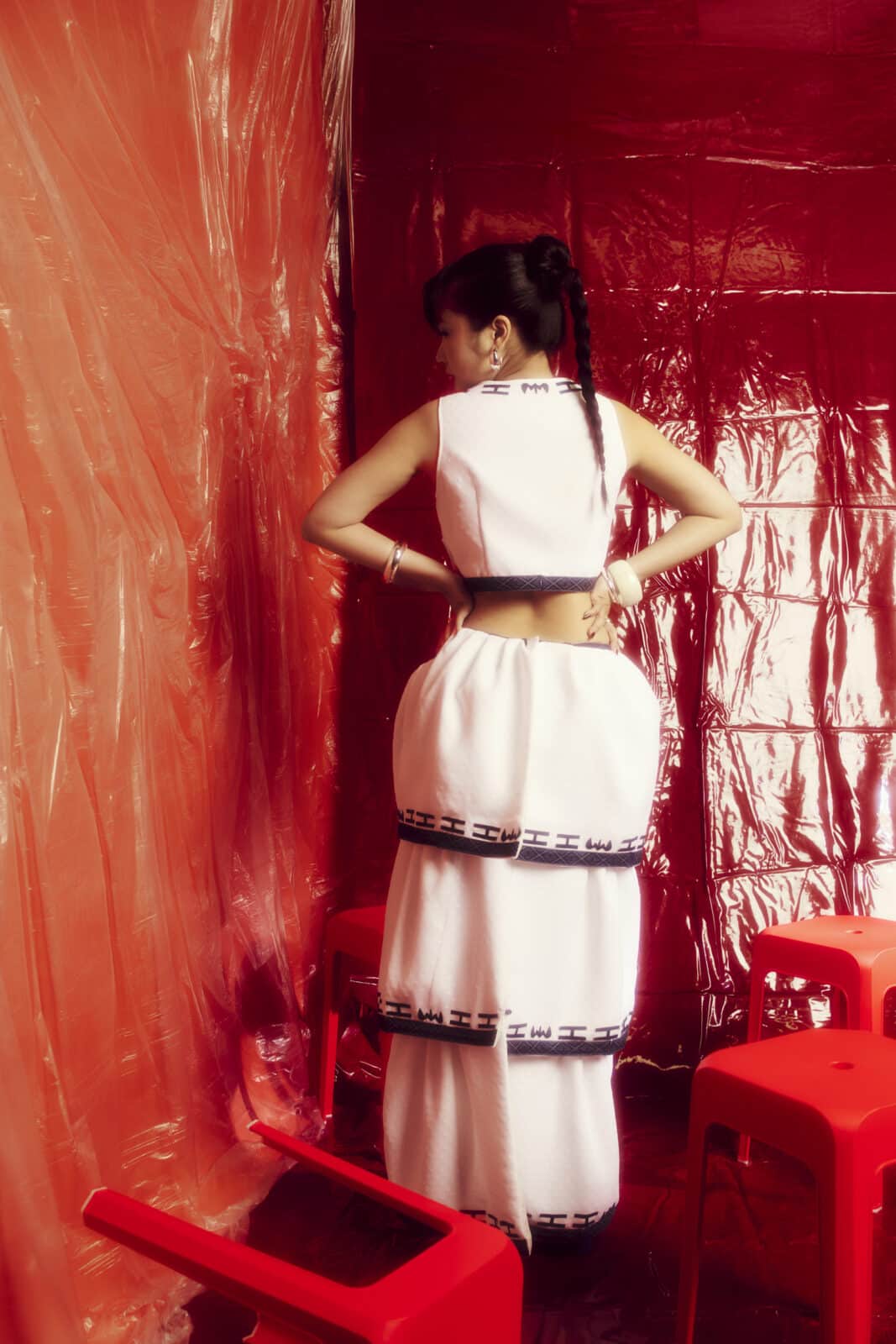
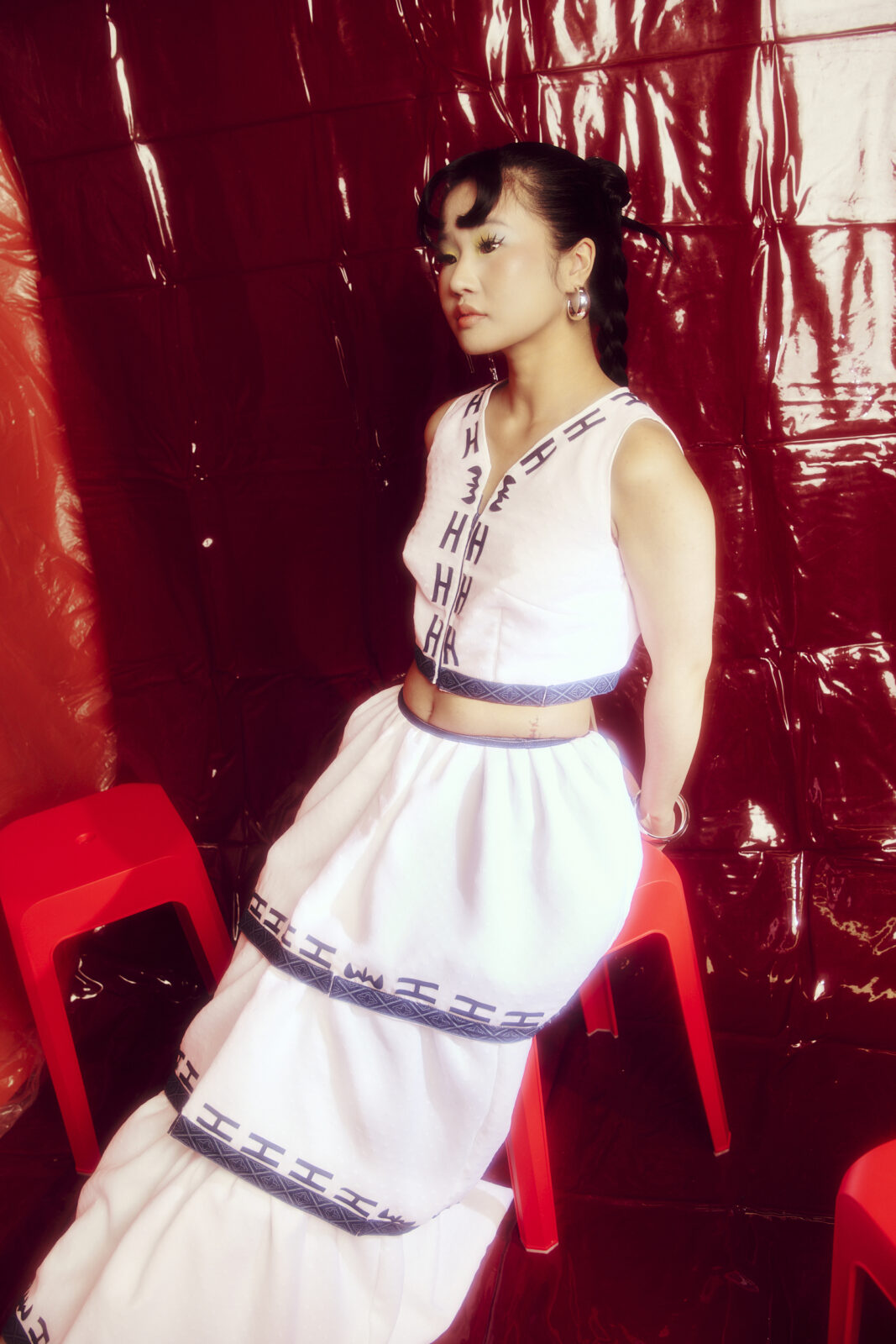
The first dishware explored are the Ling Long Bowls, known for its bright cobalt blue designs circling the bowl as well as its translucent rice grain shapes pressed into the sides. The “translucent” rice-grain shapes are achieved by layering a dotted polyester mesh over canvas while adding volume to the bowl shape skirt tiers. The word “工” (pronounced: Gōng) means work to represent the working people. The flower looking symbol represents a bat “蝠” (pronounced: fú) which stands for auspiciousness, due to a fortunate linguistic coincidence of having the same pronunciation with the word happiness “福” (pronounced: fú).
mun chou porcelain
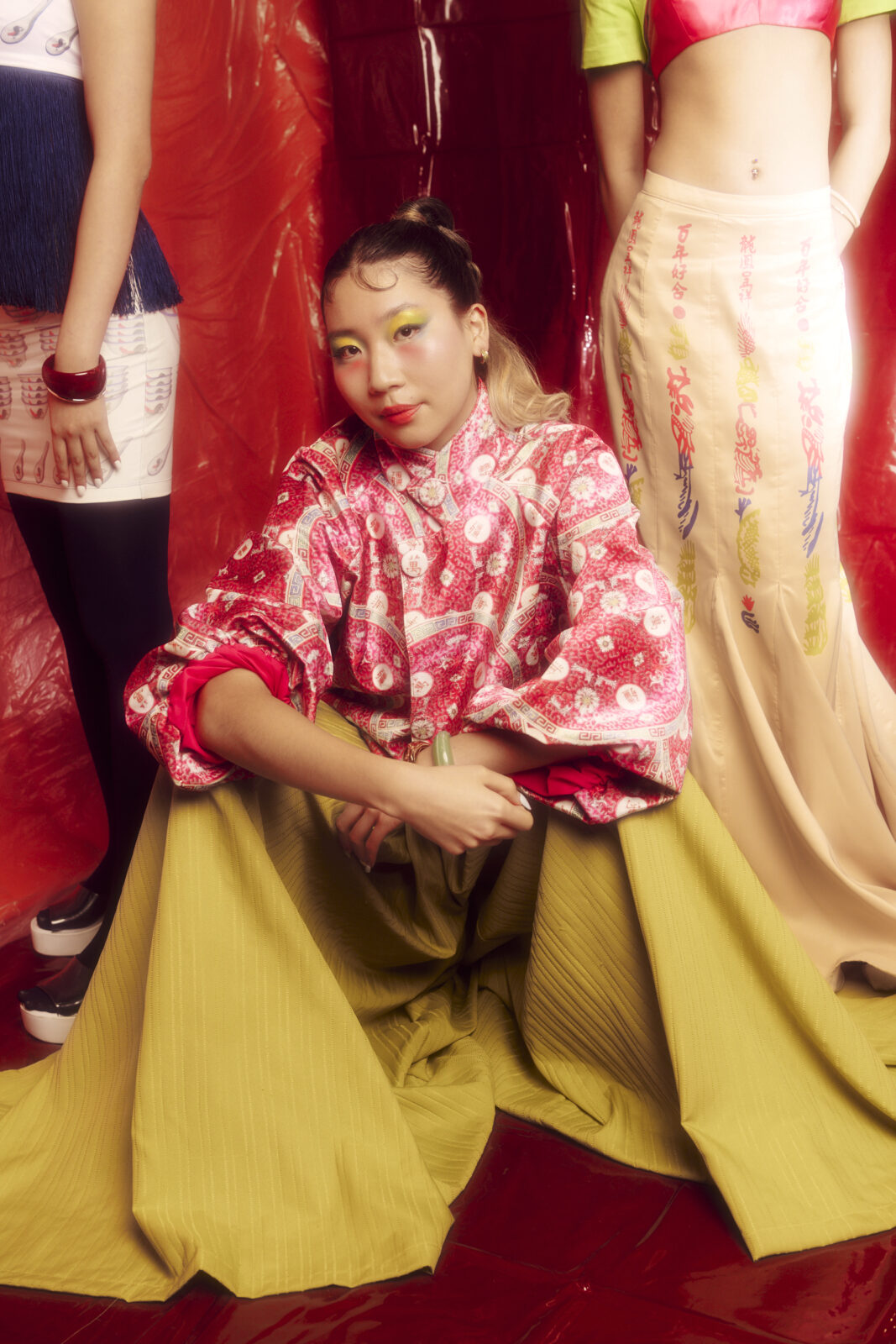
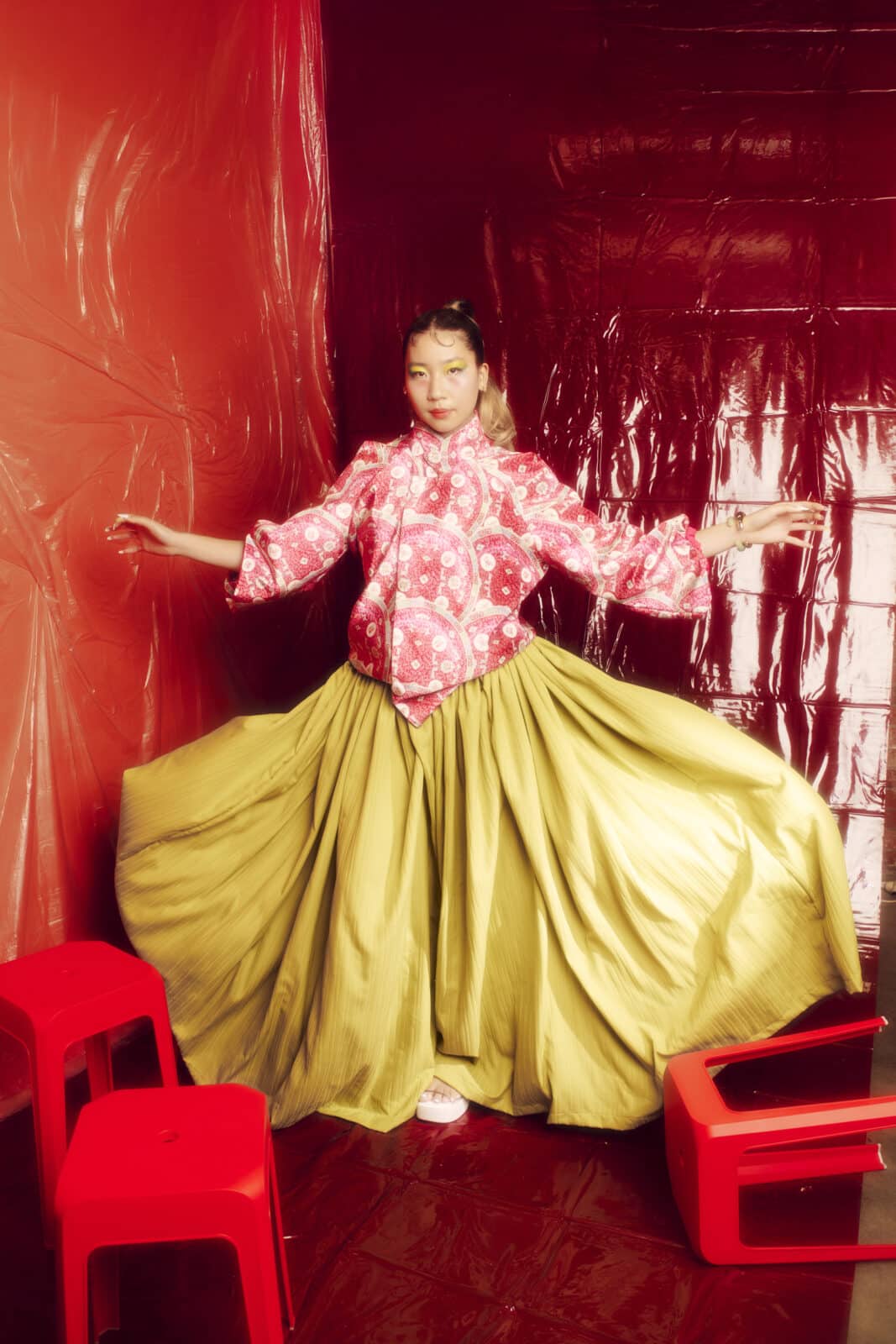
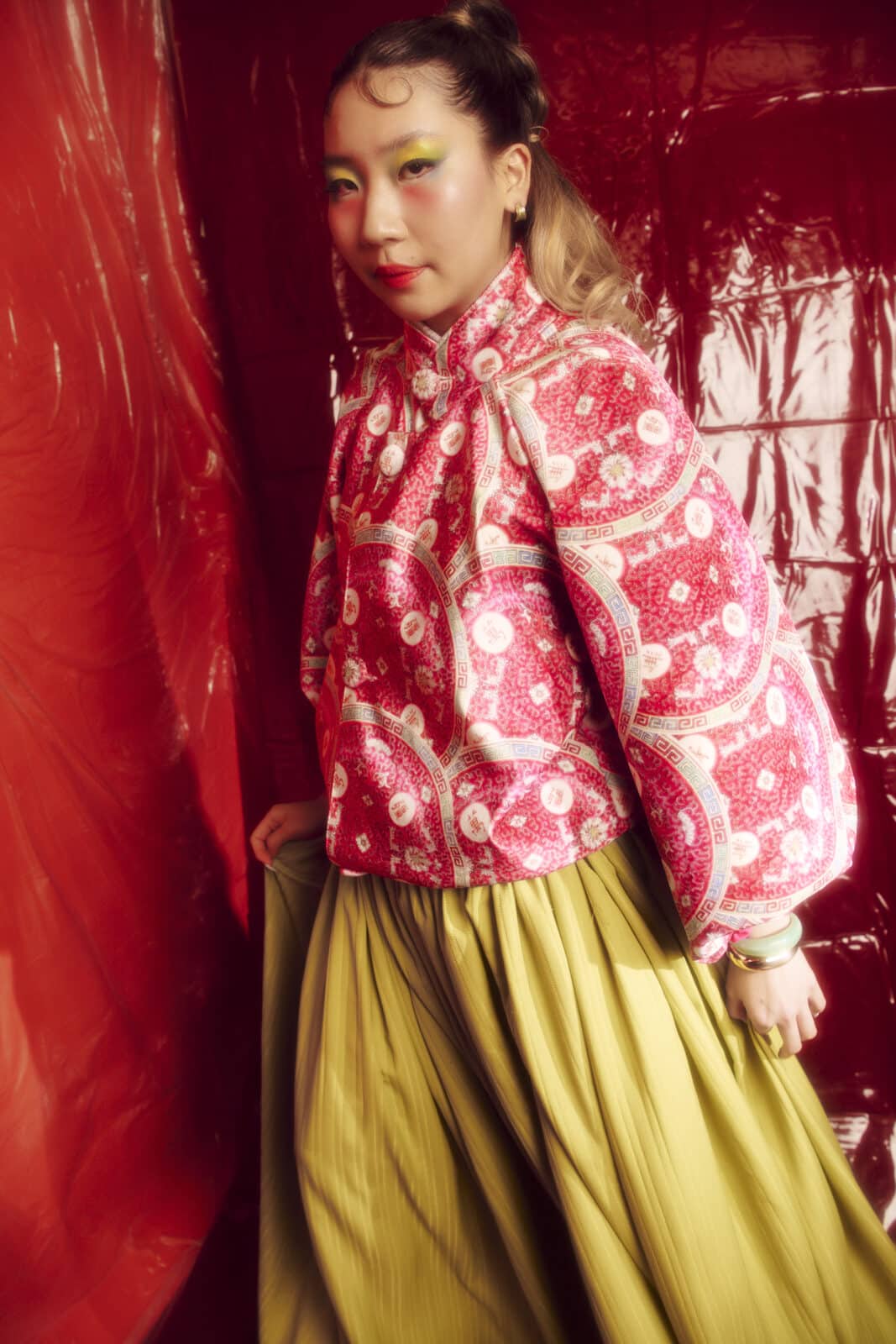
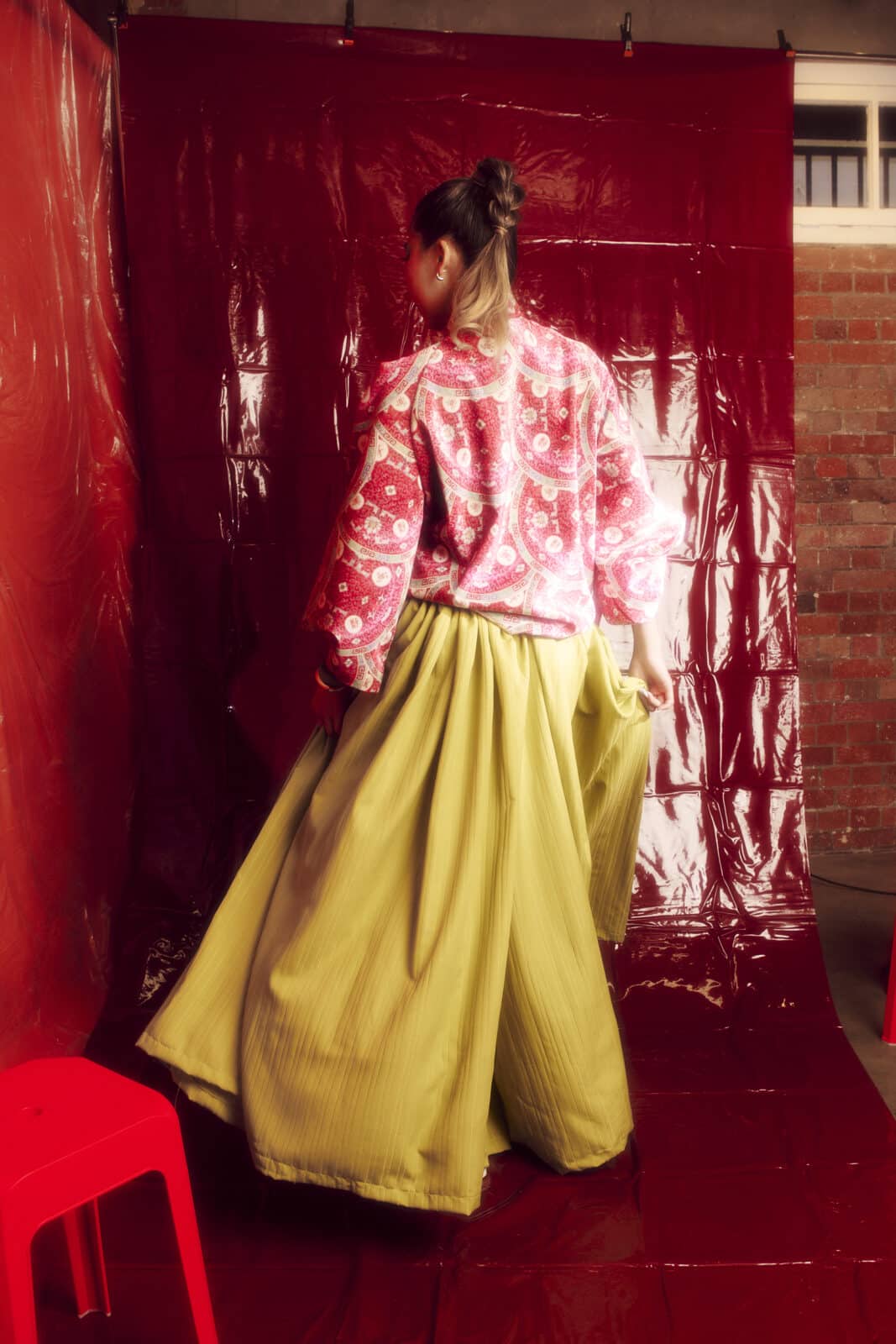
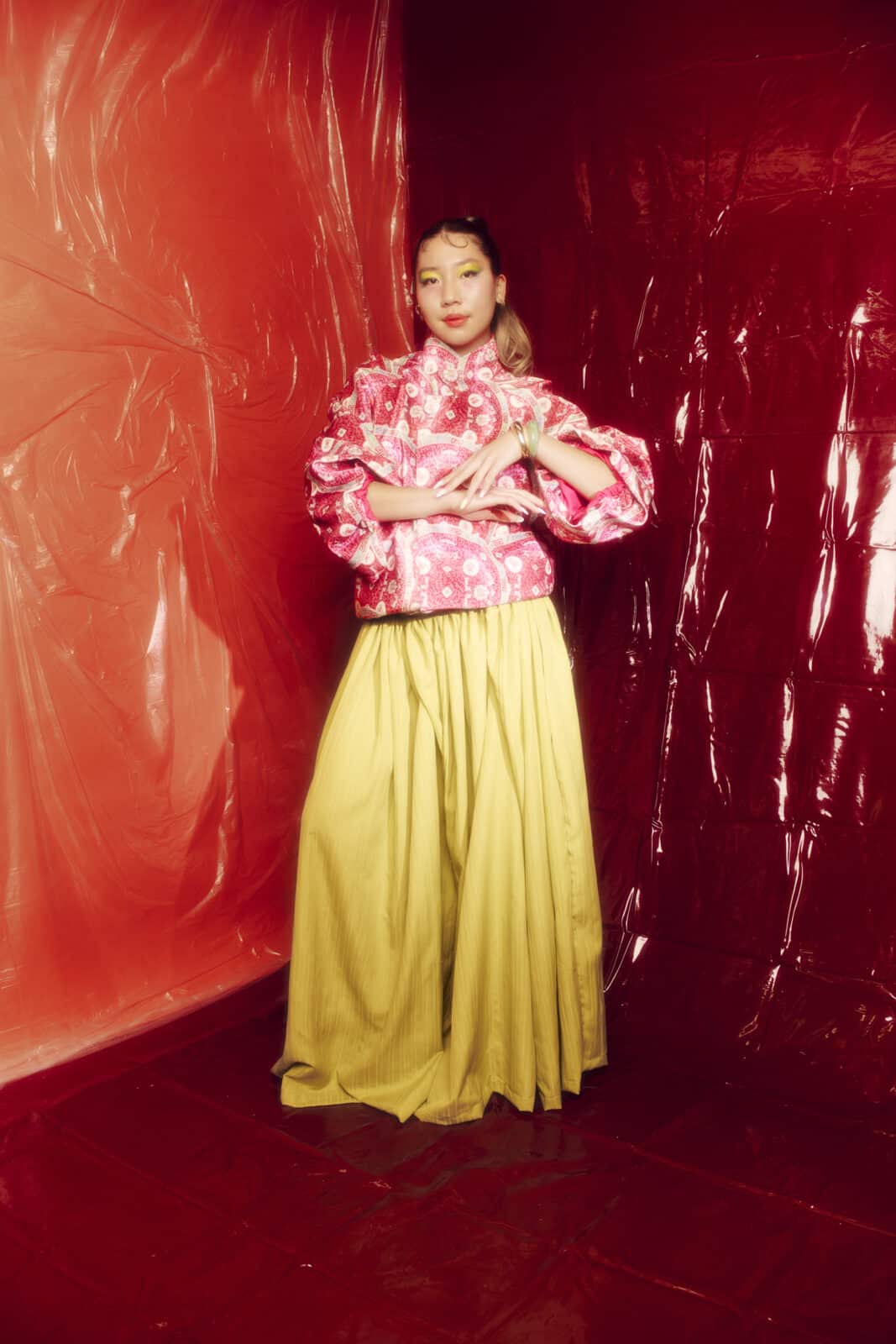
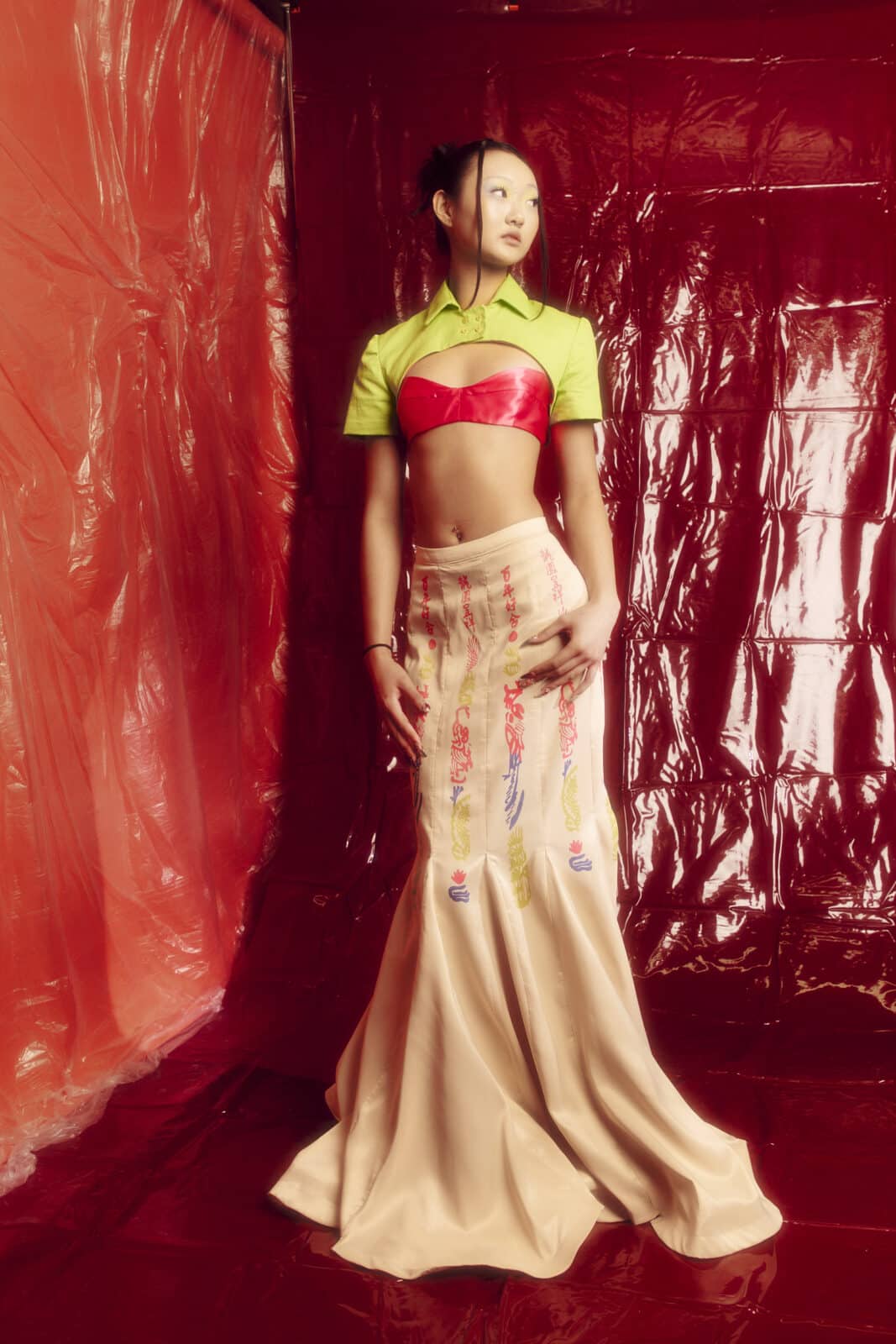
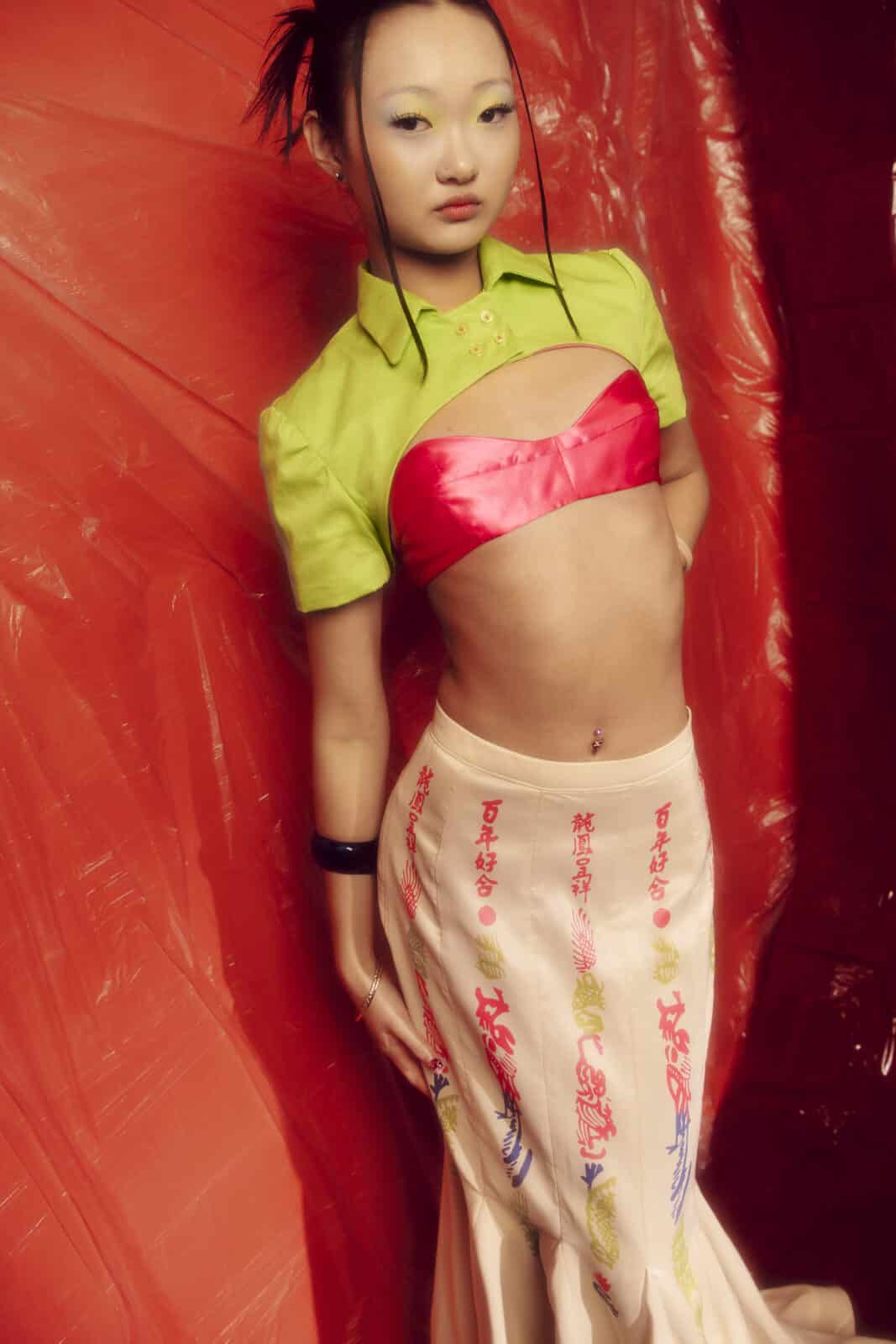
The Mun Chou Porcelain is known for its vibrant colours and intricate designs. The rich bold colour represents the celebratory nature of this dishware’s use. On the buttons are important symbolic motifs, the first being the chrysanthemum. This flower is known to bloom when other flowers fade, representing the scholarly virtues of resilience and integrity (Littler, 2025). The Chinese character on the button is from the group of 4 circling the plate: 萬 (Wan), 壽 (Shou), 無 (Wu), and 疆 (Jiang). Although some are cut off, this creates the saying “May you live ten thousand years without bound” or “Boundless longevity”. For the pants, I have named it the Emerald Prosperity pants, in alignment with the overarching theme. It is an extensive amount of fabric, ruched together to create this voluminous and extravagant garment. The biggest inspiration for this was from the aforementioned philosophy of every component having explicit meaning and purpose. This abundance of fabric reflects the ethos of the jacket, boundlessness and prosperity (Kang, 2013).
cockerel bowls
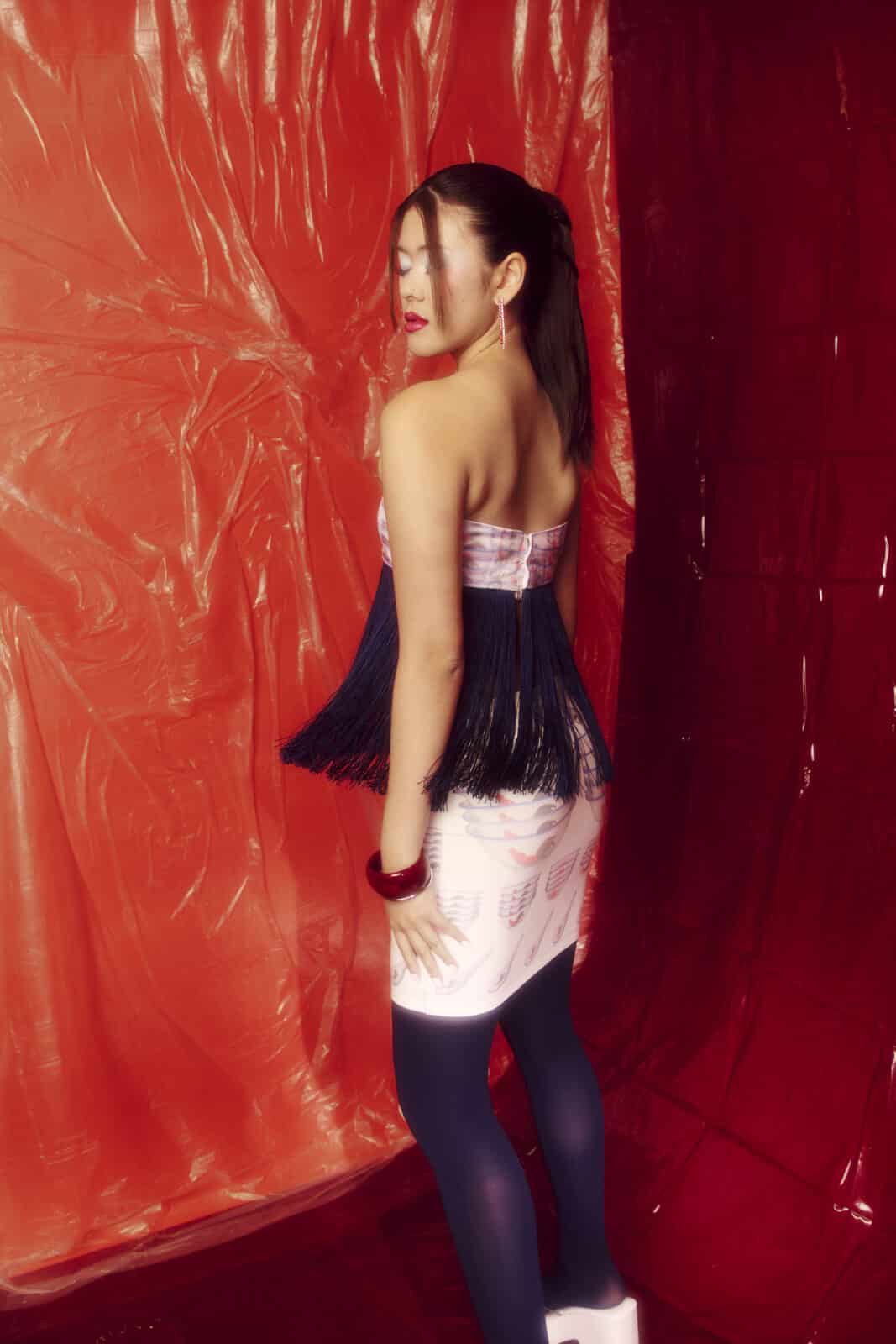
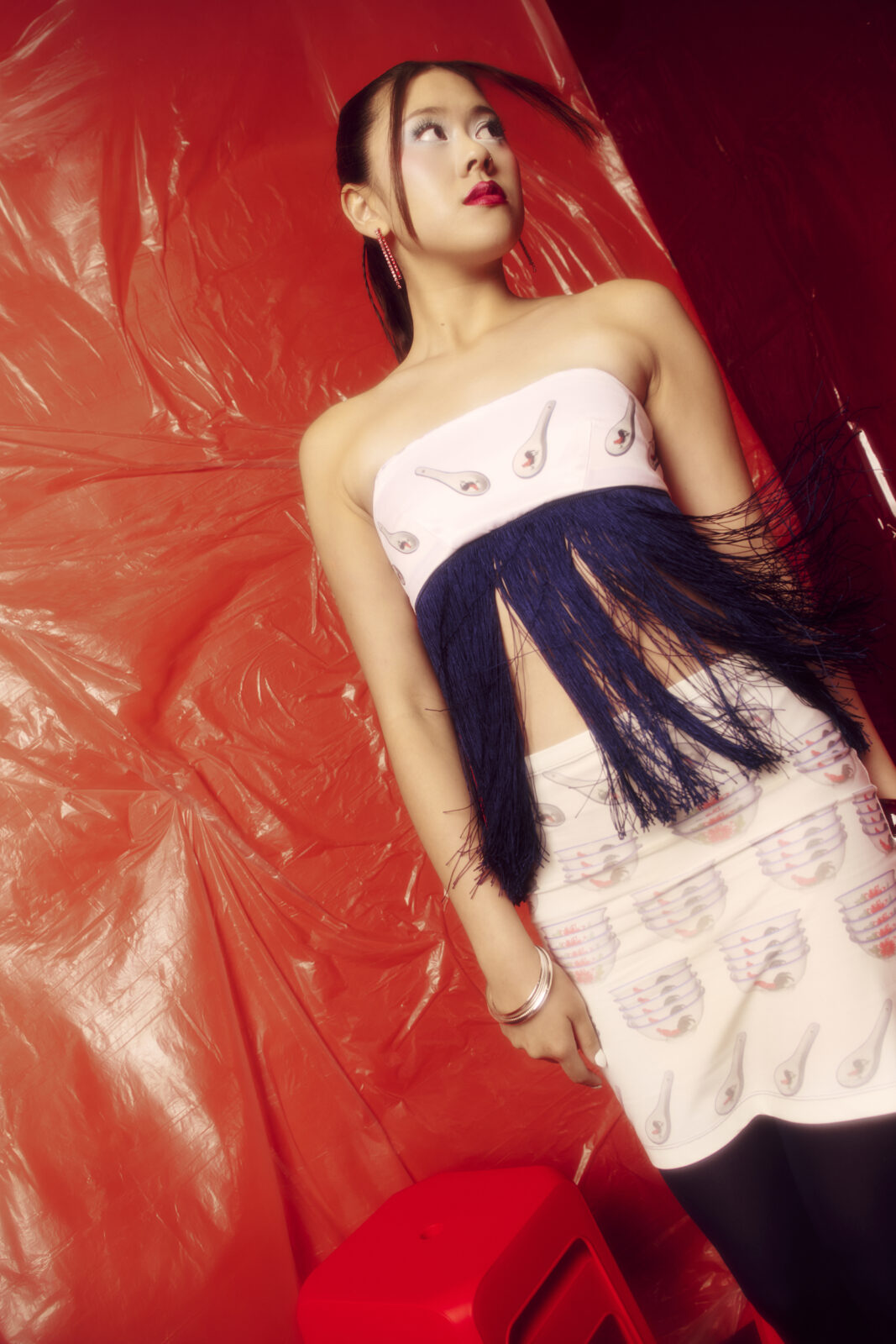
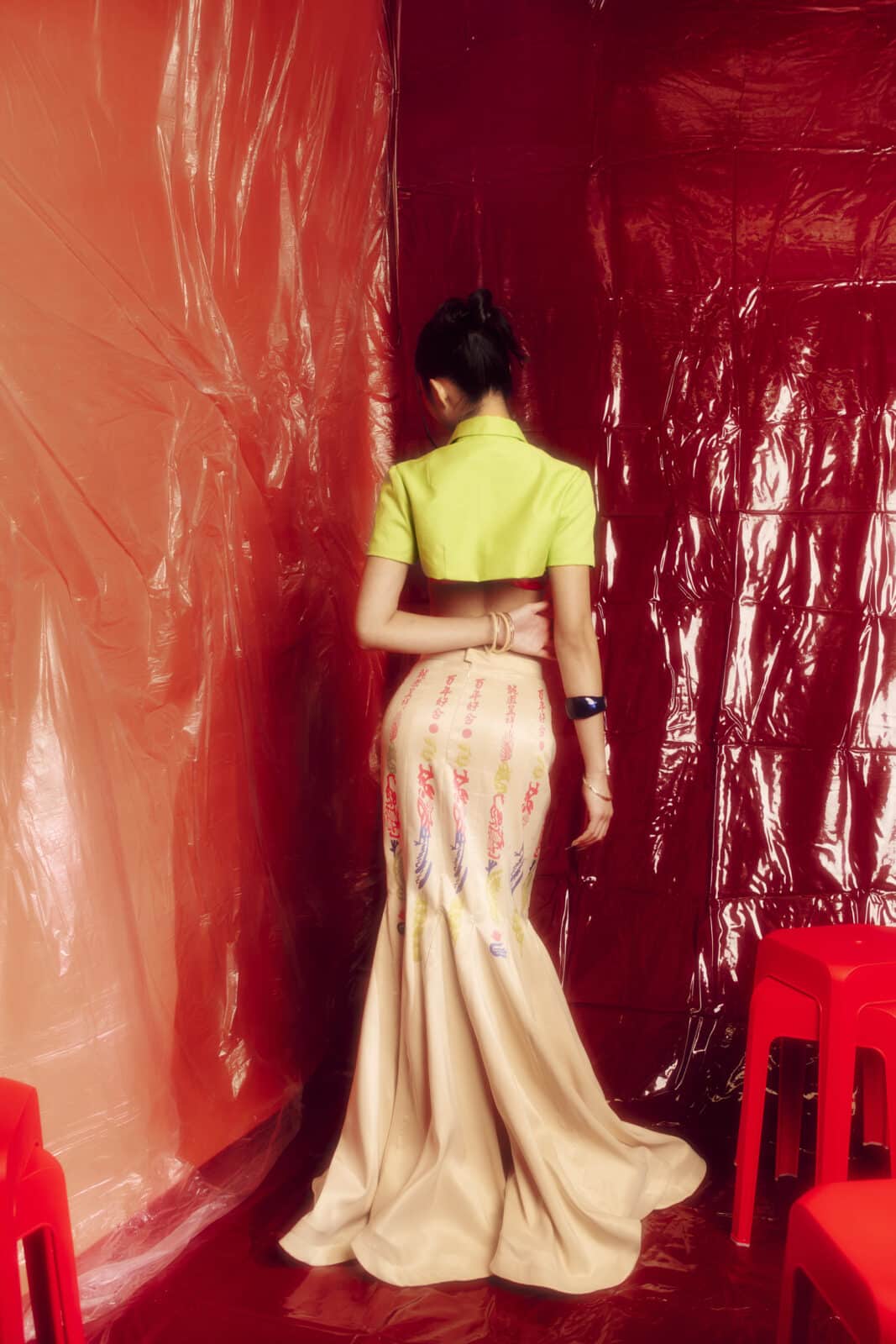
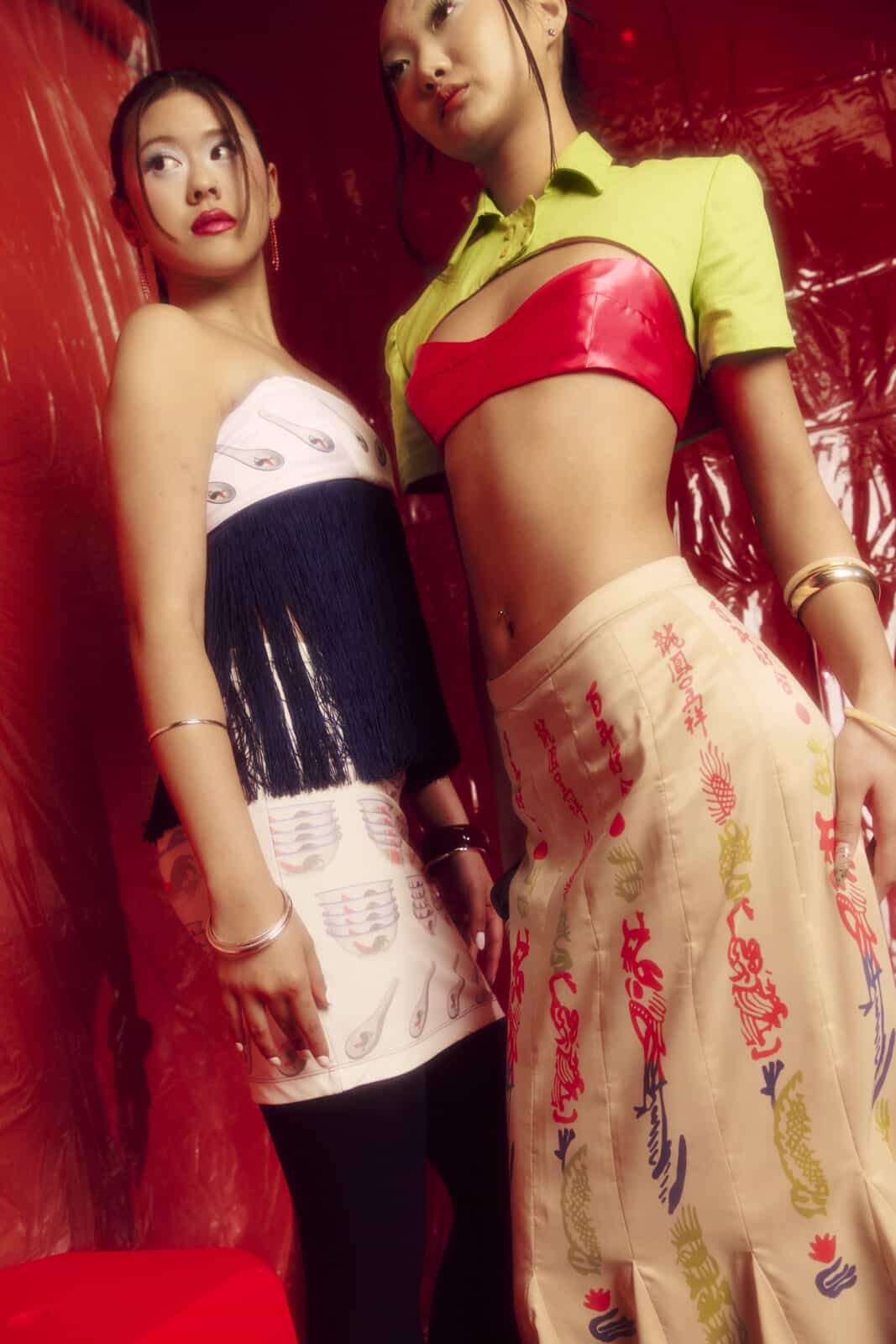
The third dishware is the Cockerel Motif Bowl, featuring a running cockerel on the inside and side of the bowl alongside a peony motif on the other side. This dishware is often seen at roadside or hawker stalls, used on an everyday basis by the everyday man. The cockerel “鸡” (pronounced: jī) stands to represent auspiciousness “吉” (pronounced: jí), once again due to a fortunate linguistic coincidence of the same pronunciation, and the peony, known as the “king of flowers”, symbolises wealth and honour (Kang, 2013; Littler, 2025). The tube top is reversible, as seen in the last photo, with cockerel spoon designs and if you turn your attention to the back of the skirt, there are two big bowl stacks on the rear. Cheeky.
dragon & phoenix chopsticks
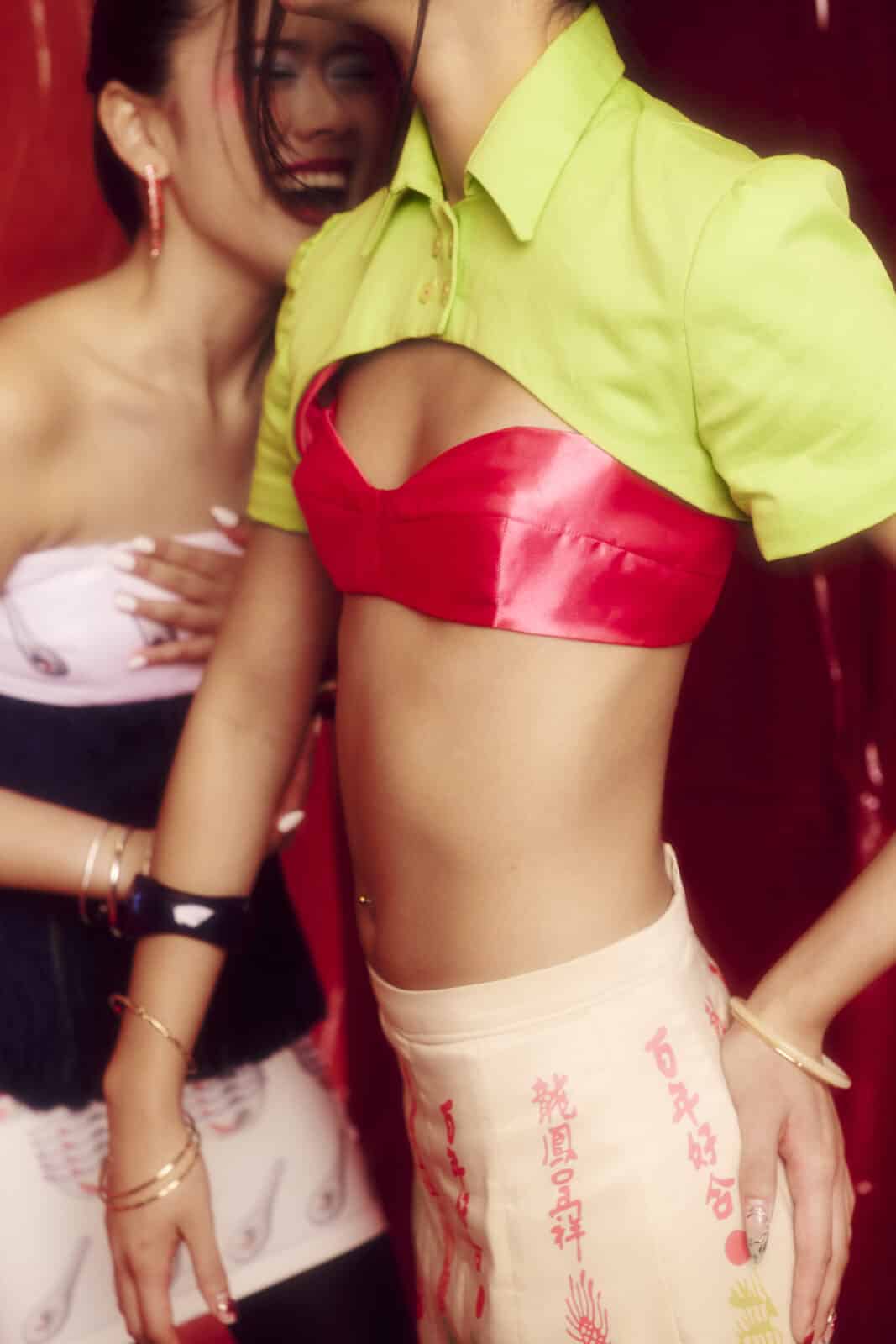
Lastly, the fourth inspiration are the Melamine Phoenix and Dragon Chopsticks, iconic for its pale-yellow colour with bright coloured designs of either a phoenix or dragon carved on to the flat side of the chopstick. The Phoenix and Dragon are actually considered to be spiritual partners (Littler, 2025). They represent the perfect marriage of yin and yang, creating one of Chinese art’s most enduring motifs.
An important characteristic of traditional Chinese aesthetic culture is its symbolism, or “to speak through objects.”
(Kang, 2013)
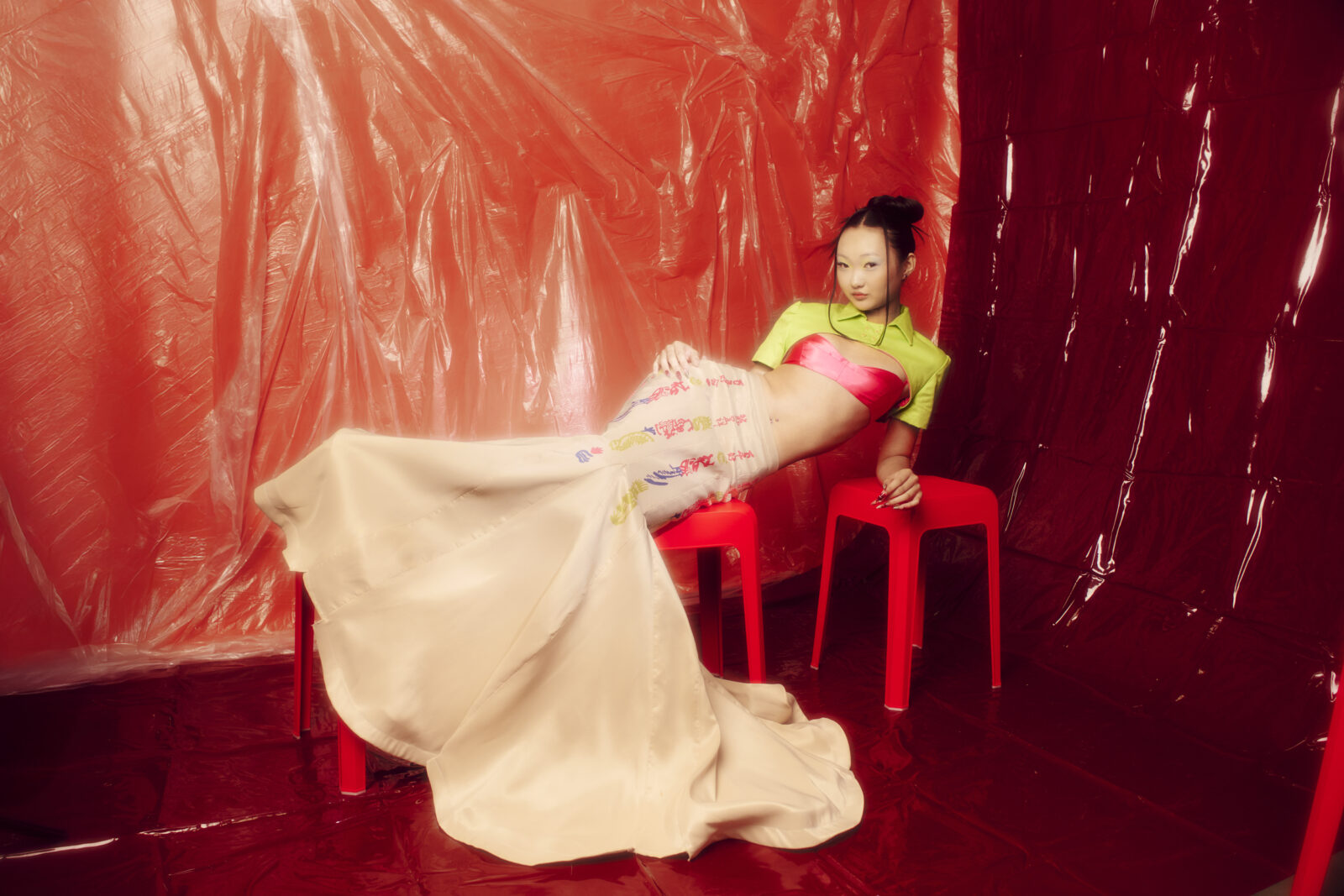
Highlighting a fun fact for the photoshoot that really ties the narrative together: in some Asian restaurants, you would encounter a plastic sheet over your table with a tablecloth (typically red) underneath it. So in the pictures, one could imagine that the dishware and cutlery designs are laid out on the table, ready for a great feast!
Nicole Chen Li Tang
Nicole Chen is a Malaysian fashion designer that draws on the rich culture of her home and heritage to realise her creations. She brings forward a world of kitschy and vibrant designs, embodying the message of nostalgia and whimsy.